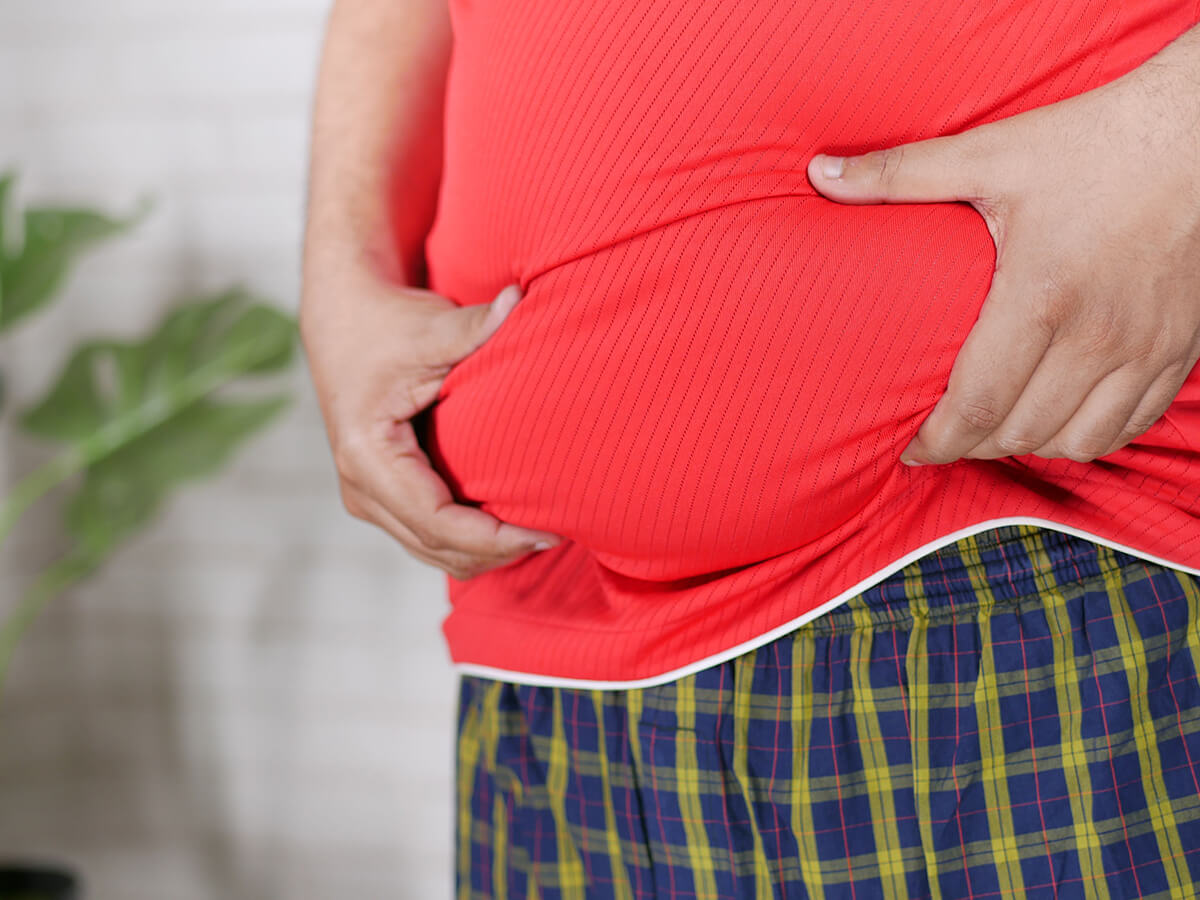
Allowing a progressive metabolic disease to remain unchecked over a span of years will trigger a cascade of physiological degradation throughout the human body. Excess adiposity is not a static state of stored energy; it functions as a highly active, disruptive endocrine organ. Over time, the continuous strain of untreated weight retention can structurally alter organs, compromise the vascular network, and degrade metabolic pathways permanently.
How Does Chronic Adiposity Drive Insulin Resistance?
Living with untreated excess weight for an extended period profoundly alters cellular communication and glucose processing. Adipose tissue is not inert; it releases a steady stream of free fatty acids and pro-inflammatory signalling molecules known as cytokines. These substances directly interfere with the intracellular pathways that respond to insulin, the hormone responsible for moving glucose into tissues for energy.
As cells become increasingly resistant to insulin, the pancreas attempts to compensate by producing larger quantities of this storage hormone to maintain normal blood sugar levels. This chronic state of hyperinsulinemia initiates destructive biological consequences over time:
- Pancreatic Beta-Cell Exhaustion: Over years, insulin-producing beta cells are forced to operate at maximum capacity, which can lead to progressive cellular burnout and increase the long-term risk of type 2 diabetes.
- Accelerated Adipogenesis: Since insulin acts as a storage signal, persistently elevated levels instruct the body to lock away energy as fat tissue, making subsequent weight reduction difficult without clinical intervention.
- Microvascular Damage: When insulin production cannot keep pace, high circulating blood glucose slowly damages the smallest blood vessels, potentially leading to progressive complications affecting the kidneys, eyes, and peripheral nerves.
Correcting this specific biochemical pathway requires addressing underlying cellular dysfunction under proper medical supervision before the microvascular damage becomes permanent.
What Are the Long-Term Vascular and Cardiovascular Consequences?
The cardiovascular system bears a massive operational burden when excess body mass is left untreated for years. To supply oxygenated blood to a larger physical mass, the heart must work substantially harder with every single contraction, pumping blood through an expanded network of vessels. This structural strain can lead to left ventricular hypertrophy, a thickening of the heart muscle walls that reduces cardiac efficiency over time.
Simultaneously, chronic inflammation associated with excess adiposity damages the delicate inner lining of the blood vessels, known as the endothelium. This arterial stress can accelerate the development of complex cardiovascular diseases:
- Arterial Plaque Accumulation: Chronic endothelial damage allows LDL cholesterol to penetrate arterial walls more easily, forming hardened plaques that constrict blood flow and reduce vascular elasticity.
- Persistent Hypertension: Narrowed, rigid blood vessels require the heart to pump against higher resistance, keeping systemic blood pressure elevated and increasing long-term stroke risks.
- Ischemic Events: Plaque instability over time can lead to sudden arterial ruptures or blockages, potentially elevating the risk of myocardial infarction or cerebrovascular accidents.
When individuals seek clinical options for weight loss in Hamilton or other Ontario communities, their primary medical objective is often unloading this systemic vascular pressure to protect long-term cardiac output.
How Does Untreated Excess Weight Damage Joint Integrity?

The human framework is designed to bear specific mechanical loads. When excessive adipose mass puts constant pressure on the musculoskeletal system for multiple years, the mechanical wear and tear on weight-bearing joints becomes profoundly destructive. Every additional kilogram of body mass translates to exponential force placed on the knees and hips during daily ambulation.
However, the damage is not merely mechanical. Adipose tissue actively secretes systemic inflammatory markers called adipokines, which degrade cartilage directly, accelerating the structural breakdown of joints even in non-weight-bearing areas.
- Cartilage Erosion: The smooth, protective cartilage covering the ends of bones wears thin, leading to painful bone-on-bone friction in the knees, hips, and lower lumbar spine.
- Subchondral Bone Sclerosis: As cartilage thins, the underlying bone thickens and develops painful bony growths, or osteophytes, which can severely limit physical mobility.
- Chronic Synovitis: Constant joint stress provokes persistent irritation of the synovial membrane, causing chronic swelling, stiffness, and structural joint instability that can require surgical joint replacement.
This progressive structural decline can eventually restrict daily physical activity entirely, which further lowers the resting metabolic rate and compounds the core metabolic condition. When mobility decreases due to this structural pain, patients often experience a significant decline in overall cardiovascular endurance. This creates a dangerous physiological cycle. The inability to move comfortably reduces daily caloric expenditure, which directly accelerates the accumulation of additional adipose tissue and worsens the underlying metabolic baseline over time.
Why Does Ectopic Fat Accumulation Threaten Vital Organs?
When normal subcutaneous fat compartments reach maximum capacity, the body begins depositing excess lipids in places where fat does not belong. This dangerous biological phenomenon is known as ectopic fat deposition. Over years of untreated metabolic disease, these lipids accumulate inside and around vital organs, severely disrupting their cellular architecture and basic functionality.
The liver is typically the first major organ to experience this cellular infiltration, leading to widespread metabolic complications:
- Metabolic Dysfunction-Associated Steatotic Liver Disease: Fat cells accumulate directly within liver tissue, which can spark internal scarring, cellular necrosis, and potentially progress toward cirrhosis or liver failure over time.
- Myocardial Infiltration: Ectopic fat can wrap tightly around the heart muscle and infiltrate its chambers, directly interfering with normal electrical conduction and rhythmic contraction.
- Renal Compression: Physical fat accumulation around the kidneys can elevate intrarenal pressure, altering glomerular filtration rates and contributing to chronic kidney disease.
This internal structural compromise highlights why long-term weight management requires a comprehensive medical approach. Protecting internal organs from lipid toxicity remains a primary clinical objective.
What Are the Respiratory and Sleep Architecture Disruptions?

Leaving severe weight retention unmanaged for years severely impacts respiratory function and oxygen saturation. Excess physical mass around the chest wall and neck restricts the lungs from expanding to their full biological capacity, a condition known as obesity hypoventilation syndrome.
This mechanical restriction is a major driver of obstructive sleep apnea, where the upper airway repeatedly collapses during sleep. The resulting biological consequences severely undermine systemic health:
- Nocturnal Hypoxia: Frequent airway blockages drastically lower blood oxygen levels overnight, forcing the brain to trigger micro-arousals to resume breathing.
- Sympathetic Nervous System Spikes: Every micro-arousal causes a sudden surge of adrenaline and cortisol, raising nighttime blood pressure and destabilising glucose metabolism.
- Sleep Architecture Fragmentation: Patients are frequently deprived of deep, slow-wave sleep and REM phases, preventing the body from performing essential metabolic and cellular repair.
The resulting chronic daytime exhaustion severely impairs cognitive function and executive control, often leading to intense cravings for simple carbohydrates.
Optimize Your Long-Term Health
Reversing years of systemic physiological damage requires a comprehensive, evidence-based approach that addresses the root biological causes of metabolic disease. Relying on short-term diets often worsens weight cycling and fails to protect vital internal organs from progressive injury. You deserve a healthcare team that treats your physiology with the absolute clinical rigour it demands.
Book a 20-minute consultation with HOW Clinics today or call 519-340-2744 to establish a safe, highly personalised medical strategy. Partnering with a dedicated bariatric medical professional in Guelph provides the objective diagnostics, clinical monitoring, and dedicated medical oversight required to help protect your internal organs, support your hormonal balance, and work toward securing your long-term health safely.
