
The pursuit of weight loss is often paved with good intentions, but the flipside of that is that the path is also cluttered with misinformation. It’s easy to become bombarded with promises of quick fixes, miraculous detoxes, and restrictive diet plans that all guarantee quick success and easy weight loss. However, these aggressive approaches usually lead to the dreaded yo-yo effect, where the weight inevitably returns. Worse than the failure to lose weight is the common sense of failure that often accompanies such efforts.
If you are tired of the constant cycle of losing and regaining, it might be time to make some changes. Rather than aim for quick fixes that sound too good to be true, what you might do instead is transition to more sustainable methods of weight loss. To do that, you’ll need to build lasting habits that work in the long run. The trick to effective weight loss is remembering that the path doesn’t depend on extreme deprivation; it’s really about finding a balanced, nurturing approach to your body that you can maintain for a lifetime. To help you figure out your unique weight loss journey, here’s a guide of actionable steps you can take to make the changes you need. Here are 10 essential dos and don’ts for achieving and maintaining sustainable weight loss, and without sacrificing your overall well-being while you’re at it.
The Dos of Sustainable Weight Loss
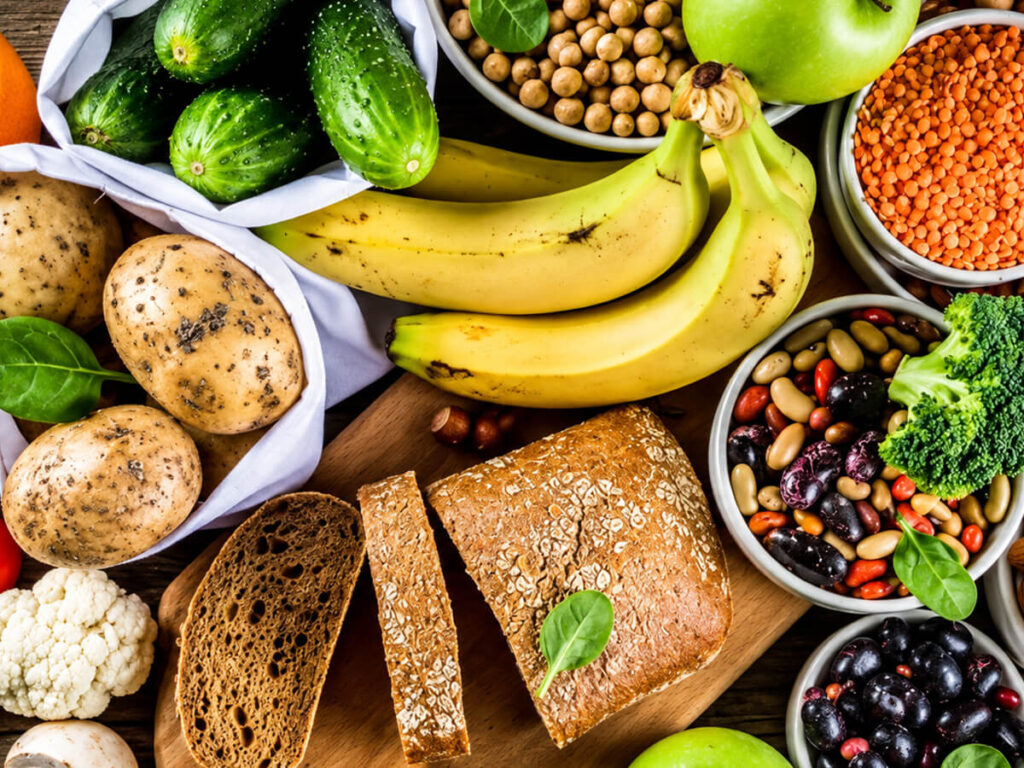
Do: Prioritize Nutrient-Dense Whole Foods
You are what you eat; the foundation of any successful health journey begins with what you put on your plate. But while traditional dieting concerns itself with cutting your intake down, you’re better off focusing on what you can add. Fill your diet with whole, unprocessed foods like vibrant vegetables, fresh fruits, lean proteins, and complex carbohydrates. These foods are packed with essential vitamins, minerals, and antioxidants that your body needs to function optimally. By filling yourself with high-quality foods, you naturally reduce cravings for heavily processed, sugar-laden snacks, making it easier to naturally manage your caloric intake without feeling deprived.
Do: Focus on Protein and Fiber
Protein and fiber are the dynamic duo of satiety. Protein is crucial for preserving lean muscle mass, especially when you’re in a caloric deficit. It also has a high thermic effect, meaning your body burns more calories simply digesting it. Fiber, found abundantly in plants, slows down digestion and helps stabilize blood sugar levels, preventing the dramatic energy crashes that often lead to impulsive snacking. For those looking for comprehensive guidance on integrating these macronutrients effectively, finding professional resources for healthy weight control in Guelph can provide tailored nutritional strategies that fit your specific metabolic needs.
Do: Stay Adequately Hydrated
Water plays a fundamental role in nearly every metabolic process in the human body, including fat burning. Often, our bodies mistake the signals for thirst as hunger, prompting us to eat when all we really need is a glass of water. Make it a habit to carry a reusable water bottle and sip consistently throughout the day. Drinking water before meals can also help you tune into your natural fullness cues, preventing overeating.
Do: Incorporate Joyful Movement
Exercise should be a celebration of what your body can do, not a punishment for what you ate. The key to maintaining a consistent exercise schedule is finding physical activities that you genuinely enjoy and that you’ll do willingly. If you hate running on a treadmill, then find another exercise that agrees with you. Alternatives like swimming, cycling, dancing, hiking, or brisk walking are other exercises that keep your cardio up and help you burn calories. By shifting your mindset from “I have to exercise” to “I want to move,” you create a sustainable fitness routine that enhances your physical health and boosts your mood at the same time.
Do: Prioritize Sleep and Stress Management
Weight management extends far beyond diet and exercise; your lifestyle habits are just as critical. Chronic stress and sleep deprivation wreak havoc on your hormones. Elevated cortisol levels can promote fat storage, while poor sleep increases the hunger hormone and decreases the fullness hormone. Aim for seven to nine hours of quality sleep each night. Additionally, incorporate stress-reducing practices into your daily routine, such as mindfulness meditation or yoga, to keep your hormones balanced and your cravings in check.
The Don’ts of Sustainable Weight Loss
Don’t: Skip Meals or Severely Restrict Calories
One of the most common pitfalls in weight loss is trying too hard to minimize your caloric intake. Skipping meals to minimize your food intake actually sends your body into survival mode. In response, your metabolism slows down to conserve energy, and makes you more susceptible to binge eating later in the day from the hunger. Sustainable weight loss depends on a modest, manageable caloric deficit, not simply starving yourself. Fuel your body consistently to maintain stable energy levels.
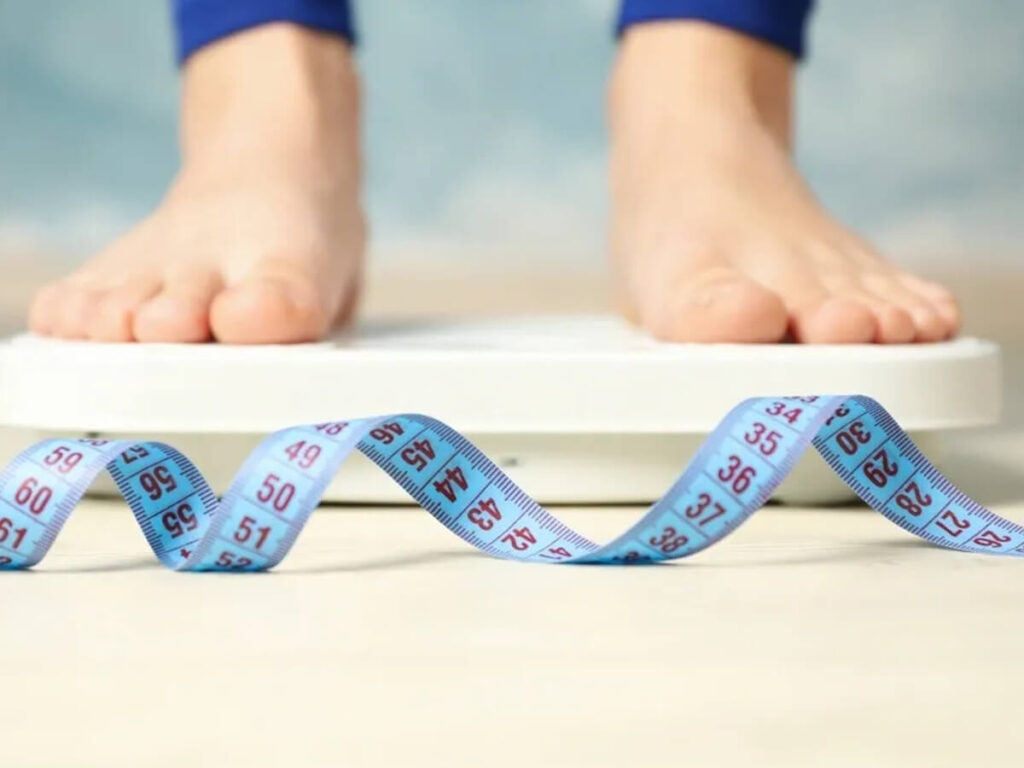
Don’t: Rely on the Scale as Your Only Metric
The number on the scale is just one tiny piece of data, and one that fluctuates every day based on a variety of factors. Fixating solely on this number can be incredibly discouraging and derail your motivation. Instead, track non-scale victories. Notice how your clothes fit, monitor your energy levels, and celebrate improvements in your strength. Sometimes, seeking professional oversight can help you measure success accurately; for instance, exploring medical weight loss treatments in Toronto can offer advanced body composition analysis to track real fat loss rather than mere water weight.
Don’t: Fall for Fad Diets or Quick Fixes
If a diet ever makes promises that sound too good to be true, they very often are. These fad diets are not only scientifically unfounded but can also be dangerous. They often result in the loss of water weight and precious muscle mass rather than fat. But more than that, they’re inherently unsustainable as weight loss methods. Once you stop the restrictive protocol, the weight inevitably returns. Lasting change demands the adoption of healthy habits that you can maintain for years to come.
Don’t: Ignore Liquid Calories
It is astonishingly easy to consume hundreds of extra calories a day through beverages without ever feeling full. Sugary sodas, heavily sweetened coffee drinks, energy drinks, and alcoholic beverages are densely packed with empty calories that provide zero nutritional value. These liquid calories also bypass the body’s natural satiety mechanisms, making it easy to overconsume. Be mindful of what you are drinking, and opt for water, unsweetened tea, or black coffee for your daily hydration. Drinking water is great for weight loss, but water has other health benefits to boost your overall health as well.
Don’t: Go It Alone
Transforming your lifestyle is a monumental task, and attempting to do it entirely in isolation can make the journey feel overwhelming and lonely. Having a strong support system dramatically increases your chances of long-term success. Share your goals with supportive friends, family members, or join a community group with similar objectives. Surrounding yourself with positive influences provides accountability, encouragement during setbacks, and an avenue to share your victories.
Taking the Next Step
Embarking on a weight loss journey should be about enhancing your quality of life, not diminishing it through extreme restriction. By focusing on these dos and don’ts, you can pave a healthier and more sustainable path to health. Remember, consistency is the key to healthy weight loss, not perfection.
Ready to take control of your health with evidence-based, compassionate care? Contact HOW Clinics today at (519) 340-2744 to schedule a consultation and begin your sustainable journey to a healthier you.
