
In the relentless pursuit of health and wellness, we often focus on two primary pillars: diet and exercise. We count calories, measure macronutrients, and schedule gym sessions, believing these are the sole keys to managing our weight.
Yet, a third, often-neglected pillar stands just as tall and arguably has a more insidious effect on our waistlines: sleep.
The relationship between sleep and weight isn’t a simple one-way street. It’s a complex, self-perpetuating vicious cycle. Poor sleep can directly lead to weight gain, and in turn, excess weight can severely disrupt sleep quality, locking individuals in a frustrating feedback loop that can feel impossible to escape.
Understanding this cycle is the first step toward breaking it. By exploring the intricate dance of hormones, metabolism, and behaviour, we can uncover why a good night’s rest is one of the most powerful tools in our weight management arsenal.
Part 1: How a Lack of Sleep Sabotages Your Weight
When you consistently get less than the recommended seven to nine hours of sleep per night, you’re not just waking up groggy; you’re fundamentally altering your body’s biochemistry and predisposing it to store fat. This happens through several powerful mechanisms.
Hormonal Havoc: Ghrelin and Leptin
Think of your appetite as being controlled by two key hormonal levers: ghrelin and leptin.
- Ghrelin is the “go” hormone. Produced in the stomach, it signals to your brain that it’s time to eat. When you’re sleep-deprived, your body produces more ghrelin. This leads to increased feelings of hunger, making you want to eat more frequently and in larger quantities.
- Leptin is the “stop” hormone. Produced by your fat cells, it signals to your brain that you are full and have enough energy stored. When you don’t get enough sleep, your leptin levels plummet.
This creates a perfect storm for overeating. Your brain is receiving loud signals to eat (high ghrelin) while the signals telling it to stop are barely a whisper (low leptin).
This hormonal imbalance explains why you might find yourself ravenous the day after a poor night’s sleep, reaching for snacks even when you know you’ve eaten enough.
The Cortisol Connection
Cortisol, often dubbed the “stress hormone,” is naturally highest in the morning to help you wake up and lowest at night to help you fall asleep. Sleep deprivation disrupts this natural rhythm, leading to elevated cortisol levels throughout the day and into the evening.
Chronically high cortisol has a direct impact on weight. It signals to your body to conserve energy to fuel your waking hours, which translates to storing fat. Worse, it specifically encourages the storage of visceral fat—the dangerous type of fat that accumulates around your abdominal organs and is strongly linked to metabolic diseases like type 2 diabetes and heart disease.
Furthermore, elevated cortisol is notorious for triggering cravings for “comfort foods,” which are typically high in sugar, fat, and salt.
Impaired Glucose Metabolism and Insulin Resistance
Just a few nights of poor sleep can significantly impair your body’s ability to process glucose. Sleep deprivation causes your cells to become less responsive to insulin, the hormone responsible for ushering sugar from your bloodstream into your cells for energy. This condition is known as insulin resistance.
In response, your pancreas works overtime, pumping out more insulin to get the job done. High levels of circulating insulin are problematic because insulin is also a fat-storage hormone. It tells your body to convert excess sugar into fat, making weight gain almost inevitable and increasing your risk of developing pre-diabetes.
The Decision-Making Drain
Beyond the biological chaos, sleep deprivation wages war on your willpower. The prefrontal cortex, the part of your brain responsible for executive functions like decision-making, impulse control, and long-term planning, is highly vulnerable to the effects of fatigue.
When you’re tired, your ability to make rational, healthy choices diminishes. The allure of a greasy pizza becomes far more powerful than the thought of preparing a balanced meal. The motivation to go for a walk evaporates. This isn’t a failure of character but a neurological consequence of exhaustion. You are neurologically programmed to seek out immediate, high-energy rewards (i.e., junk food) when your brain lacks the restorative benefits of sleep.
Part 2: How Excess Weight Destroys Your Sleep
The cycle doesn’t end there. As weight creeps on, it begins to actively sabotage the quality of the very sleep you so desperately need, pushing you deeper into the cycle.
The Rise of Obstructive Sleep Apnea (OSA)
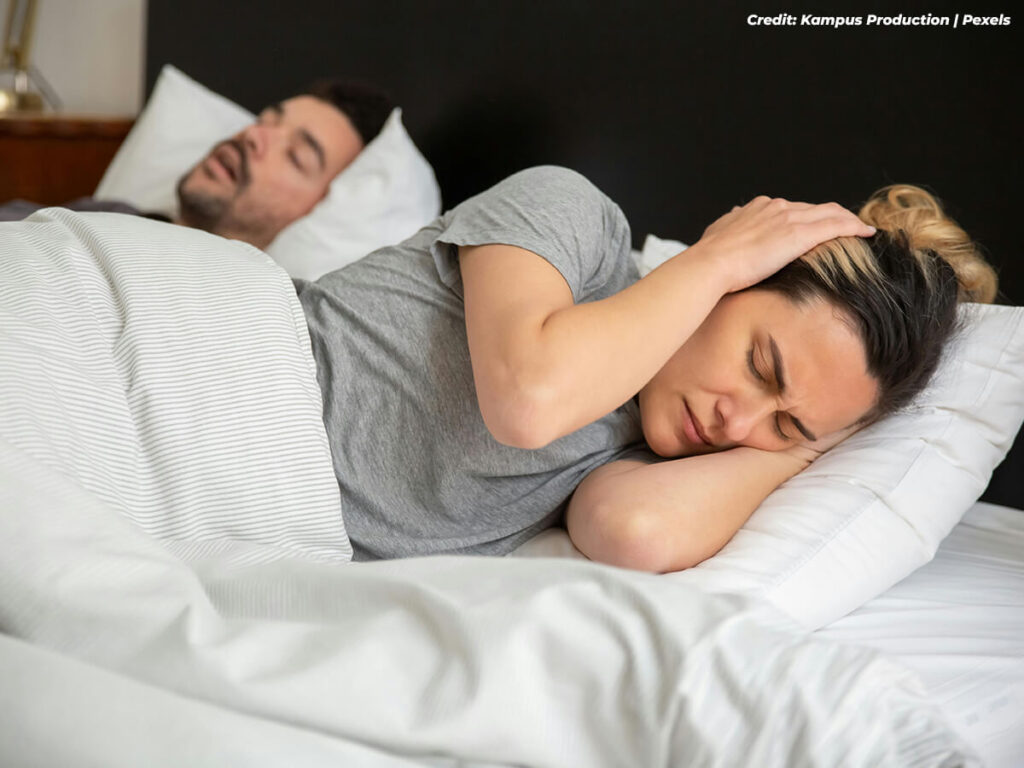
One of the most significant ways weight impacts sleep is through obstructive sleep apnea (OSA). This is a serious sleep disorder where a person’s breathing repeatedly stops and starts during the night.
Excess fatty tissue, particularly around the neck and throat, can physically narrow and obstruct the airway. When the person falls asleep and the throat muscles relax, the airway collapses, cutting off oxygen. The brain senses this and briefly jolts the person awake to resume breathing, often with a loud snort or gasp.
This can happen dozens or even hundreds of times per night, completely preventing the individual from reaching the deeper, restorative stages of sleep. The result is severe daytime fatigue, brain fog, and a host of other health problems—all of which, ironically, exacerbate the hormonal and behavioural drivers of further weight gain.
Physical Discomfort and Other Conditions
Excess body weight puts immense strain on the musculoskeletal system. Joint pain in the back, hips, and knees can make it incredibly difficult to find a comfortable sleeping position, leading to tossing, turning, and fragmented sleep.
Furthermore, conditions like acid reflux (GERD), which are more common in overweight individuals, can be intensely disruptive. Lying down can cause stomach acid to flow back into the esophagus, causing painful heartburn that interrupts sleep.
Breaking the Vicious Cycle
Escaping this feedback loop requires a conscious, multi-pronged approach that addresses both sleep and weight simultaneously.
- Prioritize sleep hygiene. Treat your sleep with the same importance as your diet. Create a relaxing bedtime routine, ensure your bedroom is cool, dark, and quiet, and stick to a consistent sleep-wake schedule, even on weekends. Understanding your sleep cycles can provide valuable insight into how to structure your rest for maximum benefit.
- Seek professional evaluation. If you suspect you have a sleep disorder like OSA (common signs include loud snoring, daytime sleepiness, and witnessed pauses in breathing), it is crucial to get a professional sleep assessment. Diagnosing and treating underlying sleep disorders is a non-negotiable step in breaking the cycle.
- Adopt a holistic approach to weight management. Recognize that lasting change comes from addressing all pillars of health. A sustainable plan integrates balanced nutrition, regular physical activity, stress management, and, crucially, adequate sleep. For those who feel stuck, exploring professional weight loss solutions in Guelph can provide the structured support, medical guidance, and accountability needed to make meaningful progress.
- Focus on nutrient-dense foods and gentle movement. Fuel your body with whole foods that stabilize blood sugar levels and avoid large, heavy meals close to bedtime. Incorporate regular physical activity into your day, as it can improve sleep quality and aid in weight loss. Even a brisk walk can make a significant difference.
Sleep is not a luxury. It is a biological necessity. Once you see it as a foundational component of your health, on par with what you eat and how you move, you can begin to unwind the vicious cycle of fatigue and weight gain.
Taking control of your nights is one of the most powerful steps you can take toward reclaiming your days, your health, and your well-being.
Ready to break the cycle and take control of your health? Contact HOW Clinics today for a comprehensive assessment and personalized plan. Call us at (519) 340-2744 to get started.
