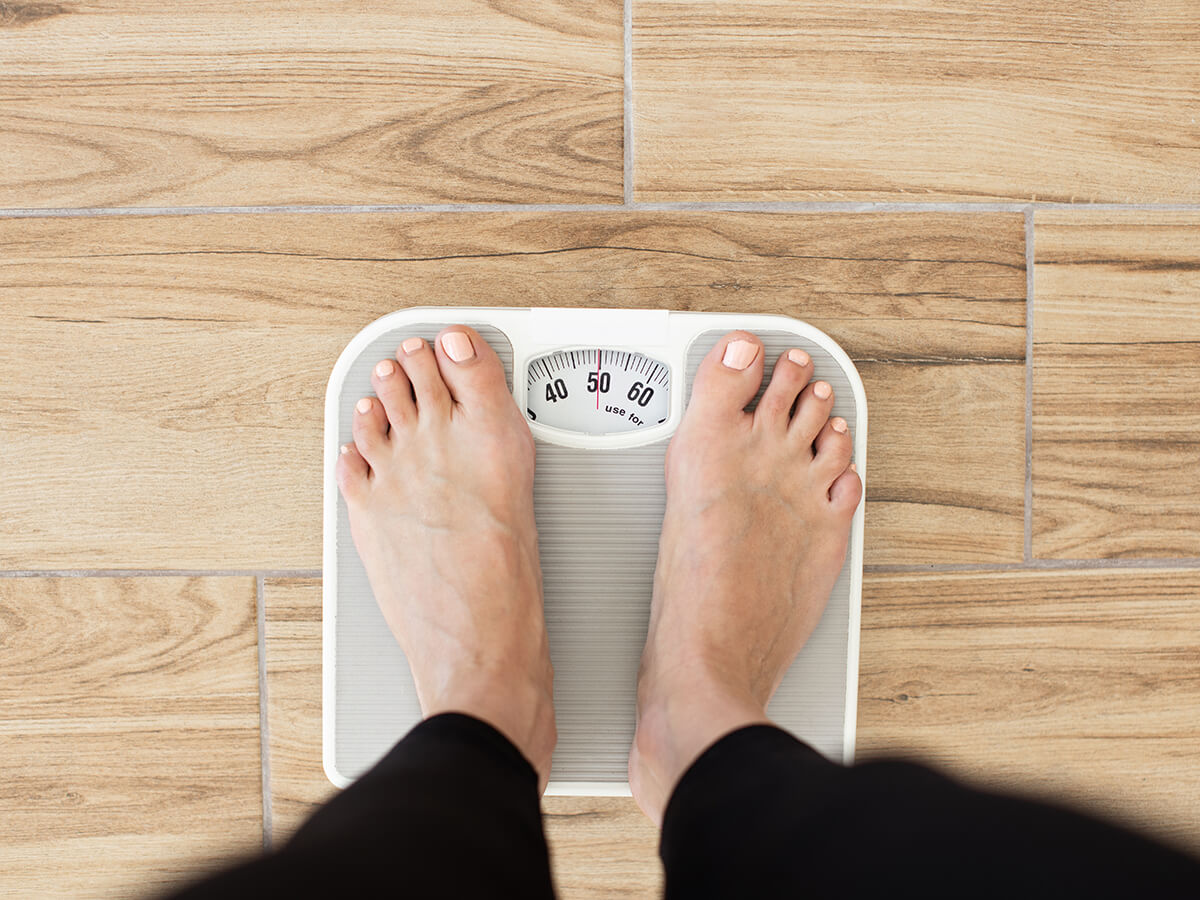
Most of us have been stuck in the cycle of starting a restrictive diet on Monday only to find ourselves back at square one by Friday night. It is an exhausting loop that often does more harm to our mental health than good for our waistlines. Achieving a healthy weight is not about punishing your body or following the latest social media trend that promises overnight miracles. Instead, it is about finding a rhythm that fits your actual life—one that respects your hunger cues, your schedule, and your long-term vitality.
True success comes when we stop looking for a “fix” and start looking for a lifestyle. In Canada, where our seasons and busy lives can make staying active a challenge, finding a grounded approach is essential. By focusing on small, repeatable actions rather than drastic overhauls, you can build a foundation that lasts for decades rather than just a few weeks. This guide breaks down the pillars of health to help you move away from the “diet” mindset and toward a version of yourself that feels energetic and strong.
1.Prioritizing Whole, Nutrient-Dense Foods
Focus on filling half your plate with vegetables and fruits at every meal. This ensures you get enough fibre to feel full without over-consuming calories. Choose lean proteins like beans, lentils, tofu, fish, and poultry to support muscle maintenance while you focus on weight loss in Guelph.
Switch refined grains for whole-grain options such as quinoa, brown rice, or oats to keep your blood sugar levels steady throughout the day. Limit highly processed foods that are high in sodium, free sugars, and saturated fats, which often lead to energy crashes and increased cravings.
Keep a consistent meal schedule to prevent the extreme hunger that usually leads to overeating or choosing less nutritious convenience foods.
2. Understanding the Role of Physical Activity
Every week, try to get in at least 150 minutes of moderate-to-intense aerobic exercise. Incorporate muscle-strengthening activities at least twice a week to boost your metabolic rate, as muscle tissue burns more energy at rest than fat tissue.
Break up long periods of sitting with “movement snacks,” such as a five-minute walk or stretching, to improve circulation and insulin sensitivity. Find activities you actually enjoy—whether it’s hiking the trails in Ontario or joining a local sports league—so that exercise feels like a hobby rather than a chore. Focus on “non-exercise activity thermogenesis“ (NEAT), which includes daily tasks like gardening, cleaning, or taking the stairs, as these add up significantly over time.
3. The Power of Hydration and Mindful Drinking
Drink water as your primary beverage to stay hydrated without the added sugars found in juice, soda, or sweetened coffees. Pay attention to thirst signals, as the brain often confuses thirst for hunger, leading to unnecessary snacking.
Be mindful of alcohol consumption. Reducing alcohol intake can significantly lower calorie counts and improve sleep quality. Try drinking a glass of water before meals to help with portion control and to aid the digestive process. Flavour your water with fresh cucumber, mint, or berries if you find plain water unappealing, helping you stick to your hydration goals.
4. Sleep Hygiene and Stress Control
Target 7 to 9 hours of quality sleep each night, as chronic sleep deprivation disrupts the hormones (ghrelin and leptin) that regulate your appetite. Create a calming bedtime routine that excludes screens for at least an hour before sleep to help your brain produce melatonin naturally.
Manage daily stress through practices like deep breathing, meditation, or spending time in nature, which can lower cortisol levels. Understand that high cortisol is often linked to increased abdominal fat and a higher drive for “comfort foods” high in sugar and fat.
Keep your bedroom cool, dark, and quiet to ensure the deep sleep stages necessary for physical recovery and hormonal balance.
5. Behavioural Changes and Habit Stacking
Practice mindful eating by slowing down and chewing thoroughly, which allows your brain to receive the signal that you are full. Use “habit stacking” by adding a new healthy habit onto an existing one, like doing ten squats while the kettle boils.
Identify emotional triggers that lead to mindless snacking, such as boredom, sadness, or workplace frustration, and find non-food ways to address them. Keep a food journal or use an app for a short period to build awareness of what you are eating, but avoid becoming obsessed with every single calorie.
Celebrate “non-scale victories,” such as having more energy to play with your kids or noticing your clothes fit more comfortably.

6. Seeking Professional Guidance
Consult with a healthcare provider to rule out underlying issues like thyroid problems or hormonal imbalances that might hinder weight loss in Guelph. Work with a registered dietitian to create a meal plan that accounts for your specific nutritional needs and cultural preferences.
Consider cognitive behavioural therapy (CBT) if you struggle with binge eating or a deeply ingrained negative relationship with food. Use data-driven tools like body composition analysis rather than just the number on the scale to track your actual progress in muscle gain and fat loss.
Join a support group or find an accountability partner to share the challenges and successes of your health journey.
7. Tracking Progress Beyond the Scale
Measure your waist circumference, as Health Canada indicates this is a key marker for identifying health risks related to excess body fat. Monitor your blood pressure, cholesterol, and blood sugar levels as markers of internal health that matter more than aesthetics.
Take progress photos every month to see changes in your body shape that the scale might not reflect due to muscle retention. Keep track of your strength gains or endurance improvements, such as being able to walk further or lift heavier weights than the month before. Focus on how you feel—improved mood, better digestion, and steadier energy levels are the best indicators that your plan is working.
Sustainable health is easier when you have a team in your corner. For comprehensive plans tailored to your unique biology and weight management in Guelph, reach out to Health Optimization & Wellness (HOW Clinics) at (519) 340 2744.
8. Long-Term Maintenance and Resilience
Adopt the 80/20 rule, where you eat nutritiously 80% of the time and allow for flexibility and treats the other 20% to prevent feelings of deprivation. Plan for setbacks, such as holidays or vacations, by deciding ahead of time how you will maintain your basic habits without needing to be perfect.
Focus on “adding” rather than “subtracting”—add more fibre, add more water, and add more movement instead of only thinking about what you can’t have. Build a kitchen environment that supports your goals by keeping healthy snacks visible and tucking indulgent treats away in a less accessible spot.
Understand that weight management is a lifelong process of adjustment, not a race to a finish line where you can simply stop trying once you reach a goal.
9. Addressing Social and Environmental Factors
Communicate your goals to friends and family so they can support your choices during social gatherings and dinners. Learn to say no politely to “food pushers” who may unintentionally sabotage your progress by insisting you have seconds or dessert.
Prepare your own meals as often as possible to have total control over the ingredients and portion sizes. Keep your home and workspace stocked with easy-to-grab healthy options like nuts, fruit, or Greek yoghurt to avoid the vending machine trap.
When dining out, check the menu in advance and decide what you will order to avoid making impulsive choices when you are hungry.
10. The Importance of Consistency Over Perfection
Acknowledge that one “bad” meal or a missed workout does not ruin your entire week of progress. Shift your mindset from “all or nothing” to “always something,” meaning if you can’t do a 60-minute gym session, a 10-minute walk is still a win.
Focus on the daily actions you can control rather than the fluctuating number on the scale, which can be influenced by water retention or salt intake. Build a routine that is so simple you can stick to it even on your busiest or most stressful days.

Sustainable health is a marathon that requires patience and a bit of self-compassion. It is about making peace with your body while still striving to make it the most functional and vibrant version possible. When you focus on nourishment, movement, and mental well-being, the results tend to follow naturally. You don’t need to be perfect; you just need to be persistent. By choosing small, better habits every day, you are casting a vote for the person you want to become.
If you are ready to stop the guesswork and start a science-based approach to weight loss in Guelph, help is just a phone call away. You deserve a plan that works with your life, not against it. For a dedicated partner in your journey toward better health and effective weight management in Guelph, contact the team at Health Optimization & Wellness (HOW Clinics) at (519) 340 2744. Your future self will thank you for taking this first step today.
