
Biology dictates weight loss outcomes far more than willpower ever could. For many Canadians, the traditional “eat less, move more” mantra fails to account for the complex hormonal, genetic, and metabolic barriers that keep the body at a specific set point. Achieving sustainable health requires shifting the focus from temporary calorie deficits to long-term metabolic health.
Why Do Traditional Weight Loss Methods Often Fail?
The human body is evolutionarily programmed to resist weight loss. When caloric intake drops significantly, the metabolism slows down as a survival mechanism, and hunger hormones like ghrelin increase. This biological pushback is why many people find themselves stuck in a cycle of losing and gaining the same weight.
The biological resistance to weight loss is a survival mechanism. The brain perceives a drop in fat stores as a threat to survival, prompting it to increase hunger signals and decrease energy expenditure. This physiological pushback explains why most self-directed diets end in weight regain. Addressing these internal factors requires a shift toward clinical strategies that treat weight management as a long-term medical objective rather than a short-term vanity project.
How Does Metabolic Rate Impact Success?
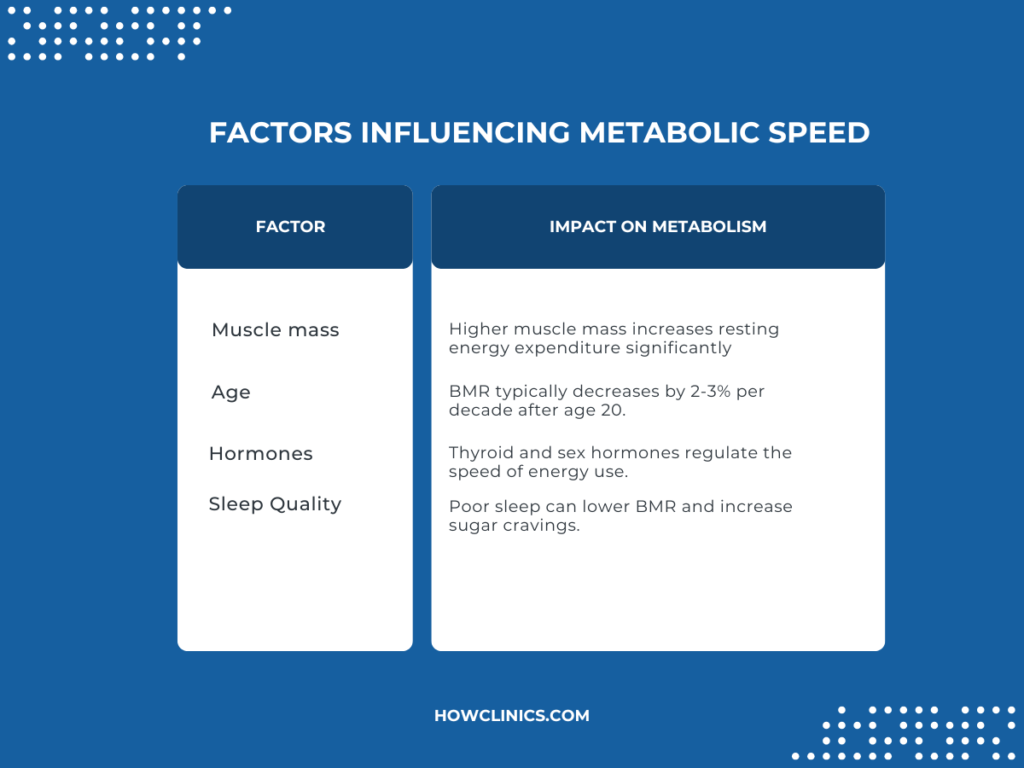
Your basal metabolic rate (BMR) represents the energy your body burns to maintain vital functions like breathing and cell production. Factors such as age, muscle mass, and thyroid function play a massive role in this number. If your BMR is lower than average, standard advice might lead to frustration rather than results.
What Role Do Hormones Play in Weight Retention?
Hormones act as chemical messengers that tell your body when to store fat and when to burn it. If your insulin levels are chronically high, your body remains in “storage mode,” making it nearly impossible to access stored fat for fuel. This remains true regardless of how much you exercise.
Impact of Stress on Your Waistline

Cortisol, the primary stress hormone, is directly linked to abdominal fat accumulation. Chronic stress signals the body to store energy for a perceived emergency. This leads to stubborn weight gain that resists traditional dieting. High cortisol levels also increase appetite and drive cravings for refined carbohydrates.
- Insulin Resistance: Makes it difficult for cells to absorb glucose, leading to higher fat storage.
- Leptin Resistance: The brain stops receiving the signal that the body is full, leading to overeating.
- Thyroid Function: An underactive thyroid can slow down every metabolic process in the body.
When Should You Consider Clinical Interventions?
If lifestyle changes have not produced measurable health improvements over six months, it may be time to seek a clinical perspective. Medical weight management provides an evidence-based approach that treats obesity as a chronic, manageable health condition rather than a character flaw.
Role of Weight Loss Medications in Long-Term Success
For individuals struggling with intense food cravings or a slow metabolism, weight loss medications provide necessary biological support. These treatments work by regulating the brain’s hunger centres or improving how the body processes sugar.
- Most effective when used as part of a comprehensive plan that includes nutritional guidance and physical activity.
- Help to quiet “food noise” so that healthy habits can actually take root and thrive without the constant interference of biological hunger.
Why Is Muscle Preservation Crucial During Weight Loss?
Losing weight too quickly often results in the loss of muscle tissue, which further slows the metabolism. A clinical approach ensures that the weight being lost is primarily fat, while lean muscle is protected through adequate protein intake and resistance training.
Consuming a protein bolus of 25-30g per meal supports muscle synthesis. Strength training signals the body that muscle tissue is needed and should not be burned for fuel. Monitoring fat-to-muscle ratios via body composition analysis provides a much better health metric than the scale alone.
Is Gut Health the Missing Piece of the Puzzle?
Recent Canadian research suggests that the trillions of bacteria in our digestive system (the microbiome) play a significant role in how we extract calories from food and how we store fat. An imbalanced microbiome can lead to inflammation and weight gain.
- Prebiotics: Fibre-rich foods that feed beneficial bacteria like onions, garlic, and oats.
- Probiotics: Fermented foods that introduce healthy bacteria such as yogurt, kefir, and sauerkraut.
- Fibre Intake: Aiming for 25-38 grams daily to support digestion and satiety.
How Does Sleep Quality Influence Metabolic Health?
A single night of poor sleep can increase hunger the following day. Sleep deprivation disrupts the balance of ghrelin and leptin, making you feel hungrier while simultaneously making it harder for your brain to feel satisfied.
Improving sleep hygiene is a fundamental pillar of any successful weight management strategy. Deep sleep is also when the body regulates growth hormone, which is essential for fat metabolism and tissue repair.
Why Is a Holistic Approach Necessary for Chronic Wellness?
Health is a multi-faceted concept that extends beyond the numbers on a scale. Effective management requires looking at the body as an interconnected system where physical comfort, mobility, and metabolic health are all priorities.
For instance, maintaining mobility is vital for staying active, which is why services like nursing foot care are important for those whose weight or metabolic conditions like diabetes may affect their lower limbs. When your feet are healthy and pain-free, you are more likely to engage in the daily movement required for metabolic health.
Can Psychology Change Your Eating Patterns?
Weight loss is often a mental battle. Cognitive behavioural strategies help individuals identify the emotional triggers that lead to overeating and replace them with healthier coping mechanisms. Mindful eating involves paying full attention to the flavour and texture of food, which helps the brain register fullness signals more accurately. Learning to ride out the “wave” of a craving without acting on it is a skill that can be developed over time with professional guidance.
What Are the Benefits of a High-Protein, Low-Glycemic Diet?
Switching the focus from “low calorie” to “high quality” can transform metabolic function. A diet rich in lean proteins and slow-digesting carbohydrates keeps blood sugar stable and energy levels high.
Stable glucose prevents the energy crashes that lead to sugar binges. There is also an increased thermic effect of food; the body uses more energy to digest protein than it does for fats or carbohydrates. Protein and fibre take longer to leave the stomach, keeping you full for extended periods.
Is It Time to Re-evaluate Your Relationship with the Scale?
Weight is just one marker of health. A clinical focus emphasizes “non-scale victories” that indicate metabolic improvement, even if the number on the scale hasn’t shifted significantly yet. Reduced waist circumference is a primary indicator of reduced visceral fat, which is the dangerous fat surrounding internal organs.
Improved blood pressure and better energy levels are signs of better cardiovascular and metabolic health. Improved lab markers, such as lower A1c and cholesterol levels, are the true goals of a weight loss programme.
How Can Medical Oversight Prevent the “Yo-Yo” Effect?
The primary danger of self-directed dieting is the rapid regain of weight. Medical oversight provides a maintenance framework that adjusts as your body changes. Regular monitoring identifies metabolic shifts before they lead to gain.
A medical team can pivot the plan based on life changes, hormonal shifts, or weight plateaus. This moves you away from the “diet” mindset toward a permanent lifestyle change supported by science.
Reach Out to a Weight Loss Specialist
Taking the next step toward your health goals requires a strategy that looks beyond the surface. If you are ready to address the biological factors holding you back, our team is here to help. We provide evidence-based, clinical support to help you achieve the metabolic health you deserve. Book a 20-minute consultation with HOW Clinics today or call 519-340-2744 to speak with a weight loss specialist in Guelph and start your journey toward a healthier, more vibrant life!
