
Nutrition Month in Canada serves as a vital reminder that our relationship with food dictates our long-term vitality. Effective weight management is not a restrictive process of subtraction; rather, it is a proactive framework for building sustainable, nourishing habits. By aligning caloric intake with metabolic needs and psychological triggers, individuals can transform their daily routines into a foundation for lasting health.
Why Is Nutrition Month the Ideal Time to Reset Your Habits?
March represents a seasonal shift where Canadians often transition from sedentary winter patterns to more active spring goals. Nutrition Month provides a structured national backdrop to evaluate how food choices impact physical performance and mental clarity. It encourages a shift from “dieting” to “nourishing.”
- Public Awareness: Increased access to Dietitians of Canada resources.
- Community Support: Local health initiatives in Ontario often peak during this window.
- Goal Alignment: It allows for a mid-year check-in on New Year resolutions that may have stalled.
How Does Structured Weight Management Improve Food Choices?
Weight management provides a roadmap for decision-making. When you have a clear understanding of your body’s requirements, the “noise” of processed food marketing becomes easier to ignore. It shifts the focus from what you cannot have to what your body requires to function at its peak.
What Role Does Macronutrient Balance Play?
A core component of managing weight is understanding the synergy between proteins, fats, and carbohydrates. Proper balance ensures that blood sugar remains stable, preventing the energy crashes that lead to impulsive snacking on refined sugars.
- Proteins: Essential for muscle preservation and satiety.
- Complex Carbohydrates: Provide sustained glucose for brain function.
- Healthy Fats: Vital for hormone production and nutrient absorption.
Can Professional Guidance Simplify Healthy Eating?

Attempting to overhaul a lifetime of eating habits in isolation often leads to burnout. Professional weight management programs offer the clinical oversight necessary to ensure that weight loss is safe and metabolically sound. This often includes a comprehensive sleep assessment to determine if poor rest is driving cortisol levels and sugar cravings, as hormonal balance is a prerequisite for habit formation.
How Do You Overcome Emotional Eating Triggers?
Weight management is as much about psychology as it is about physiology. Identifying the difference between physical hunger and emotional hunger is a hallmark of healthy habit building.
- Identify Triggers: Recognizing if stress, boredom, or loneliness prompts a trip to the pantry.
- Pause and Reflect: Using the “10-minute rule” to assess if the craving persists after a glass of water or a short walk.
- Substitution: Replacing a high-calorie comfort food with a nutrient-dense alternative that provides similar sensory satisfaction.
Is Portion Control More Effective Than Calorie Counting?
Strict calorie counting can become a source of mental fatigue. Modern weight management emphasizes “volume eating” and portion awareness. By filling half your plate with non-starchy vegetables, you can consume a high volume of food with low caloric density, satisfying the physical sensation of fullness without exceeding your energy needs.
- Hand Measurements: Using your palm for protein and your fist for vegetables.
- Smaller Plates: Tricking the brain into perceiving a fuller portion.
- Mindful Eating: Chewing slowly to allow leptin (the fullness hormone) to signal the brain.
What Impact Does Meal Prep Have on Long-Term Success?
Healthy eating habits are often derailed by a lack of time. Structured weight management encourages the habit of preparation. When a healthy meal is the path of least resistance, it becomes the default choice.
- Batch Cooking: Preparing grains and proteins on Sundays.
- Pre-cutting Vegetables: Removing the friction from salad preparation.
- Emergency Snacks: Keeping almonds or Greek yogurt available to avoid vending machine temptations.
How Do Weight Loss Medications Fit Into a Healthy Habit Framework?
For many, biological hurdles like insulin resistance or genetic predispositions make habit change exceptionally difficult. In these clinical scenarios, weight loss medications may be used as a tool to level the playing field. These treatments are not a replacement for healthy eating; instead, they work by regulating appetite and reducing food noise, making it significantly easier for a patient to adhere to a nutritious meal plan and solidify new, healthier behaviours.
Why Is Hydration Often Overlooked in Nutrition Habits?
The brain frequently misinterprets thirst as hunger. Increasing water intake is one of the simplest habits to implement during Nutrition Month.
- Metabolic Boost: Cold water can slightly increase resting energy expenditure.
- Appetite Regulation: Drinking 500ml before a meal often reduces total caloric intake.
- Cognitive Function: Dehydration leads to fatigue, which often triggers sugar cravings for “quick energy.”
How Do You Handle Social Situations and Dining Out?
Socializing in Canada often revolves around food and drink. A robust weight management strategy teaches you to look at menus ahead of time and prioritize protein.
- The “One-Drink” Rule: Limiting alcohol to avoid the disinhibition that leads to poor food choices.
- Shared Appetizers: Enjoying flavours without consuming full-sized calorie-dense entrees.
- Dressing on the Side: Maintaining control over hidden fats and sugars in sauces.
Does Tracking Progress Help Reinforce Good Habits?
Self-monitoring is one of the most consistent predictors of long-term weight maintenance. Whether through an app or a handwritten journal, tracking provides objective data that helps you correlate how you feel with what you eat.
- Non-Scale Victories: Noting improvements in energy, skin clarity, and sleep quality.
- Consistency over Perfection: Recognizing that one “off” meal does not ruin a week of progress.
- Trend Analysis: Identifying which foods leave you feeling bloated or sluggish.
How Can High-Protein Breakfasts Transform Your Day?
Starting the day with a significant protein bolus stabilizes blood sugar from the outset. This reduces the likelihood of mid-afternoon energy slumps and overeating at dinner.
- Examples: Eggs with spinach, protein-fortified oatmeal, or cottage cheese with berries.
- Benefit: Increases thermogenesis and promotes muscle protein synthesis.
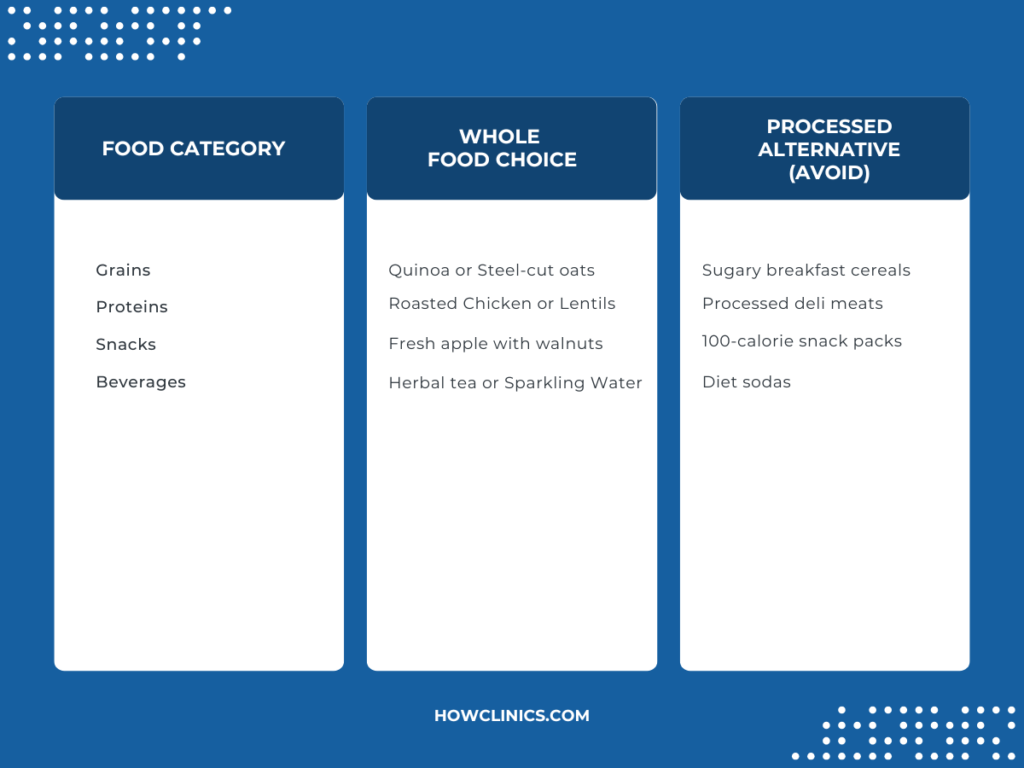
What Are the Benefits of Whole Foods vs. Processed Health Foods?
Nutrition Month encourages a “back to basics” approach. Many products marketed as “diet” or “low-fat” are stripped of nutrients and loaded with artificial sweeteners that can disrupt the gut microbiome.
How Does Fibre Support Weight Management Goals?
Fibre is the unsung hero of weight management. It slows digestion, keeps you full, and feeds the beneficial bacteria in your gut. Canadians should aim for 25 to 38 grams of fibre daily.
- Soluble Fibre: Found in beans and oats; helps lower cholesterol.
- Insoluble Fibre: Found in whole grains and skins of fruit; aids digestion.
How Do You Stay Motivated Beyond March?
The end of Nutrition Month should not mean the end of your progress. Weight management is a lifelong commitment to self-care.
- Small Wins: Focus on changing one habit per week.
- Support Systems: Engage with clinical professionals who understand the science of obesity and nutrition.
- Forgiveness: Understand that setbacks are part of the learning curve, not a reason to quit.
Start Your Transformation Today
Taking control of your nutrition requires more than just willpower; it requires a scientific approach and a supportive team. If you are ready to move past the cycle of “yo-yo” dieting and establish permanent, healthy habits that last well beyond Nutrition Month, our clinical team is here to provide the assistance you need. Our focus includes personalized plans that integrate medical insights with practical lifestyle changes, ensuring you have the tools for effective weight management in Guelph.
Book a 20-minute consultation with HOW Clinics today to discuss your goals and see how we can support your journey. You can also reach our team directly at 519-340-2744. Take the first step toward a healthier version of yourself right now!
