
A bathroom scale provides a solitary, often misleading data point. It cannot distinguish between skeletal muscle, water retention, bone density, or adipose tissue. Measuring total mass fails to account for metabolic health.
Clinical weight management shifts the focus from a single number to a comprehensive array of biomarkers and body composition metrics. These measurements provide a map of internal health, revealing how the body processes energy and stores fat.
Understanding these deeper metrics allows for a precision-based approach to metabolic health that simple weighing cannot offer. Success is defined by the improvement of physiological function and the reduction of chronic disease markers.
The Precision of Body Composition Analysis
Clinical settings use Bioelectrical Impedance Analysis (BIA) or DEXA scans to separate total weight into functional categories. This determines the quality of the weight being lost. Maintaining lean muscle mass is a primary goal because muscle is a metabolically active tissue.
- Skeletal Muscle Mass: Tissue responsible for movement and basal metabolic rate. Losing muscle during weight reduction is a significant risk clinics monitor. Muscle preservation ensures the body remains capable of efficient calorie burning.
- Percent Body Fat: Provides a more accurate assessment of health risk than BMI by accounting for the actual ratio of fat to other tissues. This is the primary indicator of metabolic efficiency.
- Total Body Water: Fluctuations are often caused by changes in hydration or inflammation. Distinguishing water weight from fat loss prevents unnecessary concern over daily scale shifts.
- Phase Angle: A BIA metric that assesses cellular integrity and health. A higher phase angle indicates better cellular function and nutritional status.
- Basal Metabolic Rate (BMR): The number of calories required to maintain basic physiological functions at rest. Accurate BMR data allows for a scientific approach to caloric requirements.
Visceral Fat: The Danger of Internal Adiposity
The location of fat matters more for long-term health outcomes than total percentage. Visceral fat is stored deep within the abdominal cavity, surrounding vital organs. This type of fat is biologically active and secretes pro-inflammatory cytokines that interfere with hormonal function. It is a direct contributor to metabolic dysfunction.
Risks of High Visceral Fat:
- Increased insulin resistance and type 2 diabetes.
- Elevated systemic inflammation and cardiovascular strain.
- Higher risk of non-alcoholic fatty liver disease (NAFLD).
- Metabolic endotoxemia caused by chronic inflammatory secretions.
Clinics measure visceral fat levels to assess a patient’s risk profile for metabolic syndrome. Reducing this specific fat depot is a priority because it directly improves organ function. Monitoring abdominal circumference provides a better indication of health improvement than the scale. Clinical intervention aims to shrink these internal fat stores to restore organ health.
Metabolic Biomarkers and Blood Chemistry
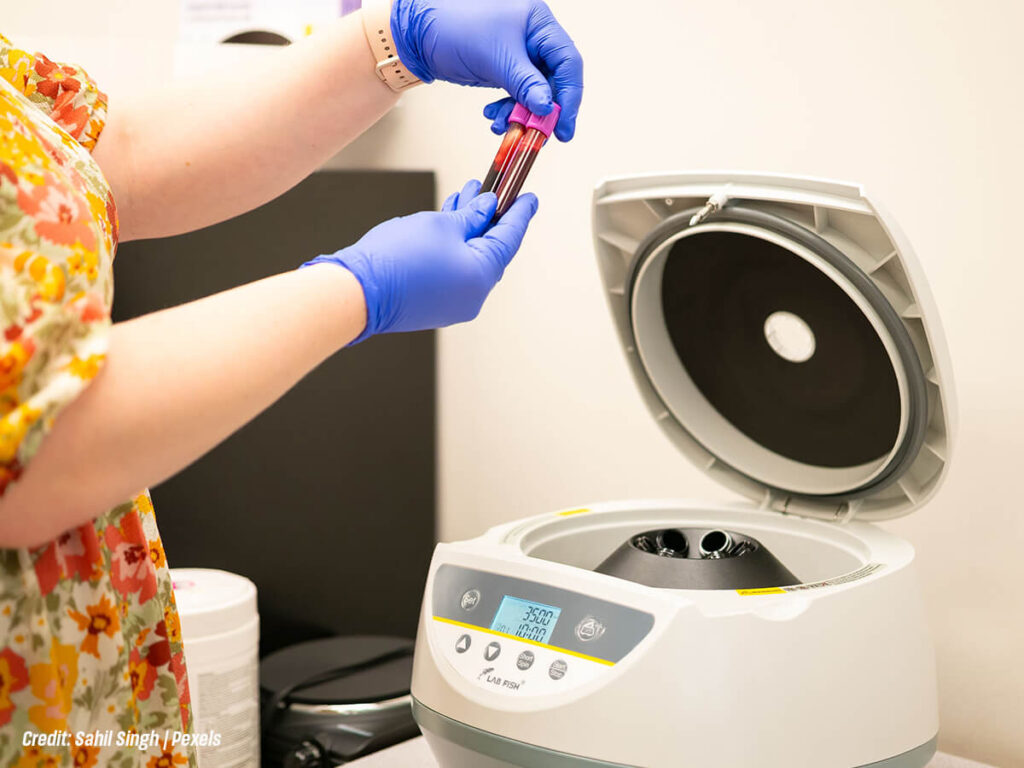
Blood work provides an objective look at how the body manages glucose and lipids. These markers often improve before the scale shows significant changes. Measuring these values ensures the metabolic “engine” is functioning correctly. The obesity treatment in Guelph relies on these biochemical insights to adjust protocols.
- Haemoglobin A1c (HbA1c): Provides a three-month average of blood sugar levels to identify pre-diabetes. This is a foundational marker for metabolic stability.
- Fasting Insulin and HOMA-IR: These tests identify insulin resistance. High insulin levels can lock the body into a fat-storage mode regardless of caloric intake.
- Lipid Ratios: The ratio of triglycerides to HDL is a potent predictor of cardiovascular health and insulin sensitivity. Particle size testing provides deeper insight into arterial risk.
- Liver Enzymes: Elevated ALT or AST levels can indicate fatty liver changes that require clinical intervention. Normalising these levels is a primary benchmark of metabolic recovery.
Hormonal Regulation and Energy Expenditure
Weight retention is frequently driven by hormonal imbalances that the scale cannot detect. The endocrine system dictates how the body stores fat and when it feels hungry. Clinics evaluate the thyroid-adrenal-gonadal axis to ensure the body is in an optimal state for fat mobilisation.
- Thyroid Function (TSH, Free T3, Free T4): The thyroid acts as the body’s thermostat; sluggish function leads to a depressed metabolic rate. Proper thyroid health is essential for energy production.
- Cortisol Levels: Chronic stress leads to elevated cortisol, which promotes the storage of visceral fat and increased cravings. Managing cortisol is necessary for abdominal fat reduction.
- Leptin and Ghrelin: These hormones regulate satiety and hunger. Resistance to leptin means the brain does not receive the signal that energy stores are sufficient.
- Sex Hormones: Imbalances in oestrogen or testosterone influence fat distribution and muscle maintenance. Addressing oestrogen dominance or low testosterone supports healthy body composition.
Systemic Inflammation and hs-CRP
Chronic, low-grade inflammation is a common thread in metabolic disorders. Clinicians measure High-Sensitivity C-Reactive Protein (hs-CRP) to gauge systemic inflammation. Reducing inflammation is necessary because an inflamed body often resists fat loss as a protective mechanism.
Decreasing hs-CRP levels is a sign that the body’s internal environment is becoming more stable, allowing for sustainable weight management. Lowering inflammation reduces the burden on the immune system and improves cellular communication. This stability is the bedrock of long-term metabolic resilience.
Nutritional Status and Micronutrient Density

A caloric deficit can lead to nutrient deficiencies if not managed by a professional. Clinics measure levels of essential vitamins to ensure the body has the raw materials for energy production and cellular repair. Nutrient-dense weight loss ensures the body remains resilient and energetic.
- Vitamin D: Low levels are associated with increased fat storage and poor immune function. It acts as a pro-hormone in metabolic processes.
- Vitamin B12 and Folate: Essential for energy metabolism, methylation, and neurological health.
- Iron and Ferritin: Adequate iron is necessary for oxygen transport and thyroid function.
- Magnesium: Involved in glucose management and muscle relaxation. Deficiency can lead to insulin resistance and poor sleep.
Bone Mineral Density and Structural Health
Rapid weight loss can lead to a loss in bone density if the diet is inadequate or if weight-bearing exercise is neglected. Weight loss clinics monitor bone health to prevent fractures and maintain independence in aging populations.
A successful programme ensures the body becomes stronger and more durable, not just smaller. Preserving skeletal integrity is a primary benchmark of a health-focused weight strategy. Maintaining bone density supports overall structural longevity and physical mobility.
Quality of Life and Functional Metrics
The ultimate goal of weight management is to improve how an individual lives. Clinics track functional metrics that reflect day-to-day improvements. These victories are often more meaningful than the number on the scale.
- Sleep Quality: Improvements in sleep apnoea and snoring as weight is lost from the chest and neck area.
- Blood Pressure: Reductions in pressure as the heart’s workload decreases and arterial health improves.
- Mobility: The ability to move without pain or restriction. Improved joint health allows for increased physical activity.
- Energy Levels: Improved stamina and the absence of mid-afternoon energy crashes. Consistent energy is a sign of stable blood sugar.
- Cognitive Function: Improved mental clarity and the reduction of “brain fog” associated with metabolic inflammation.
Tracking these metrics provides a holistic view of progress, confirming the treatment is working even during weeks when the scale stays the same. The stabilisation of these markers indicates a body becoming metabolically resilient.
Secure Your Metabolic Future
Focusing on the scale alone ignores the complex biology governing your health. Comprehensive clinical assessment provides the data needed to make informed, safe, and effective choices.
Our team focuses on the biomarkers, hormones, and body composition metrics that define good results. It is time to see the full picture of your health. Book a 20-minute consultation with HOW Clinics today or call 519-340-2744 to speak with a weight loss clinic in Guelph. Take the first step toward a data-based approach to your wellness!
