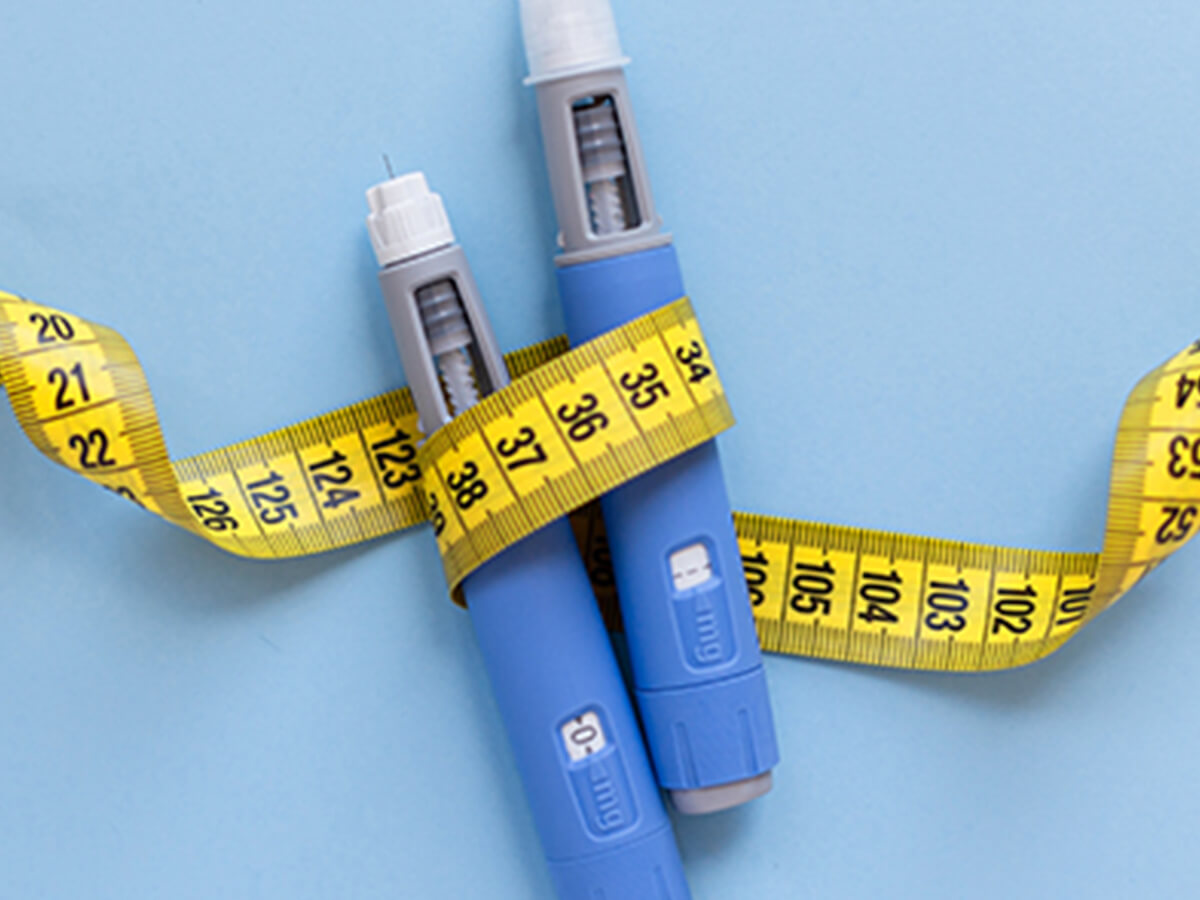
The world of weight management has changed drastically in just a few short years. You no longer have to struggle in silence with a metabolism that feels broken or unresponsive to traditional diets. Today, medical science offers new ways to balance your body and reach a healthy weight safely.
Navigating the Modern Landscape: Types of Weight Loss Medications
Choosing the right path for your health journey starts with knowing what tools are available to you. There are now several types of weight loss medications designed to target the specific biological reasons why your body holds onto fat. Understanding these options helps you have a better conversation with your doctor about your unique needs.
Modern medicine has moved far beyond simple stimulants that just make you feel jittery. The most talked-about types of weight loss medications today are called incretin mimetics, which mimic natural hormones in your gut. These treatments, such as GLP-1 and GIP agonists, help regulate your blood sugar and tell your brain that you are full. In 2026, we have even seen the rise of “triple agonists” that target three different receptors at once for maximum metabolic support.
For those who aren’t fans of needles, the shift toward oral treatments has been a game-changer. You can now find types of weight loss medications in daily pill forms that offer similar results to the famous weekly injections. This variety ensures that your treatment fits your daily routine rather than forcing you to change your life around a medication schedule. Having these choices makes the journey toward a healthier version of yourself feel much more manageable.
Beyond the Scale: Clinical Eligibility Criteria
Many people assume you have to reach a certain level of crisis before a doctor will step in to help. However, the criteria for starting different types of weight loss medications are more flexible than they used to be. Most medical guidelines focus on your overall health risks rather than just a single number on the scale.
The standard rule of thumb often starts with your Body Mass Index (BMI). Generally, if your BMI is 30 or higher, you meet the primary criteria for most types of weight loss medications. This classification helps doctors identify when your weight might be putting a significant strain on your heart, joints, and organs. It serves as a starting point for a deeper medical evaluation.
However, you don’t always have to hit that “30” mark to qualify for help. If your BMI is 27 or higher and you have a “comorbidity”—like high blood pressure or sleep apnea—you are often eligible for a weight loss program. Doctors are increasingly looking at visceral fat, which is the dangerous fat around your organs, to decide who needs intervention. This proactive approach helps catch metabolic issues before they turn into permanent chronic diseases.
Breaking Down Barriers to Treatment
In the past, getting a prescription felt like an uphill battle due to high costs and limited supplies. Thankfully, 2026 has brought about a new era of better access for everyone seeking help. Finding a reliable weight loss clinic is now easier than it has ever been, regardless of where you live.
Supply chain issues that once plagued the industry have largely been resolved by increased manufacturing. This means that the most effective types of weight loss medications are staying in stock more consistently at local pharmacies. You no longer have to worry about missing a dose because of a national shortage. This stability allows you to stay focused on your progress without unnecessary stress.
Telehealth has also played a massive role in making these treatments more accessible to the average person. You can now consult with a specialist from your living room to discuss which types of weight loss medications might work for your body. This removes the barrier of travel time and makes it easier to fit medical appointments into a busy work week. Enhanced digital platforms ensure that your follow-up care is just as thorough as an in-person visit.
Setting the Record Straight: Common Misconceptions
The conversation around medical weight management is often clouded by outdated ideas and social stigma. It is important to separate clinical reality from common rumors so you can make a choice based on science. By looking at the facts, you can see how these treatments actually function as biological tools.
- The “Easy Way Out” Myth
Using types of weight loss medications is not a shortcut, but rather a way to fix a broken metabolic signaling system. It requires consistent effort in nutrition and movement to see the best long-term results for your body.
- The “Willpower Only” Misconception
Many people believe that weight loss is purely a matter of discipline, ignoring the complex hormones that control hunger. These medications help level the playing field by regulating those hormones so your brain can finally hear your body’s fullness signals.
- The “Only for the Obese” Fallacy
You do not have to wait for a health crisis to seek help, as many patients qualify based on metabolic markers or weight-related health issues. Early intervention often prevents more serious conditions like Type 2 diabetes from developing down the road.
- The “Temporary Fix” Rumor
Weight management is often a long-term journey, and for many, these tools provide the permanent biological support needed to maintain a healthy weight. Stopping treatment without a proper transition plan can often lead to the body returning to its old, unhealthy set point.
- The “Muscle Loss is Inevitable” Scare
While rapid weight loss can affect muscle, it is entirely possible to maintain your strength by prioritizing protein and resistance training. Modern medical plans focus heavily on “body composition” to ensure you lose fat while keeping your muscle mass intact.

Practical Tips for Starting Your Journey
If you are ready to take the next step, there are a few things you can do to set yourself up for success. Starting a new medical routine is a big deal, so being prepared will help you feel confident. Here are a few tips to keep in mind as you begin.
- Focus on Protein
When you are eating less, every bite needs to count toward maintaining your muscle mass. Aim to include a lean protein source like chicken, fish, or beans in every single meal you eat. This ensures your body burns fat for energy instead of breaking down your hard-earned muscle.
- Prioritize Hydration
Water is your best friend when your metabolism is shifting gears and processing new medications. Try to carry a reusable water bottle with you and sip on it throughout the entire day to keep your energy levels steady. Staying hydrated also helps your kidneys and liver process everything more efficiently while reducing common side effects like headaches.
- Keep a Simple Food Journal
You don’t have to count every single calorie, but tracking how you feel after certain foods is very helpful. Write down what you ate and if you felt energized or sluggish an hour later. This data helps you and your doctor fine-tune your plan and identify any foods that might be triggering unwanted side effects.
- Incorporate Light Movement
You don’t need to run a marathon, but moving your body daily keeps your joints limber and your heart strong. Even a twenty-minute walk after dinner can improve your digestion and help the medication work more effectively. Consistent, gentle movement is much better for your long-term success than occasional bursts of intense exercise.

Visit HOW Clinics to Explore Types of Weight Loss Medications
If you are tired of the “yo-yo” dieting cycle, it might be time to look into a professional medical solution. At HOW Clinics, we believe that everyone deserves access to the latest tools for metabolic health. Our team of experts is here to guide you through the process and help you find the right fit for your lifestyle.
We take the time to listen to your goals and look at your complete health history before making a recommendation. Whether you are interested in the newest oral tablets or traditional injections, we can help you understand the different types of weight loss medications available today. Our goal is to make sure you feel supported, informed, and empowered every step of the way.
Don’t wait until your health becomes a crisis to start making a change. Give us a call at (519) 340-2744 to schedule your first consultation and see how we can help you reach your goals. We look forward to being a part of your success story and helping you reclaim your vitality.
