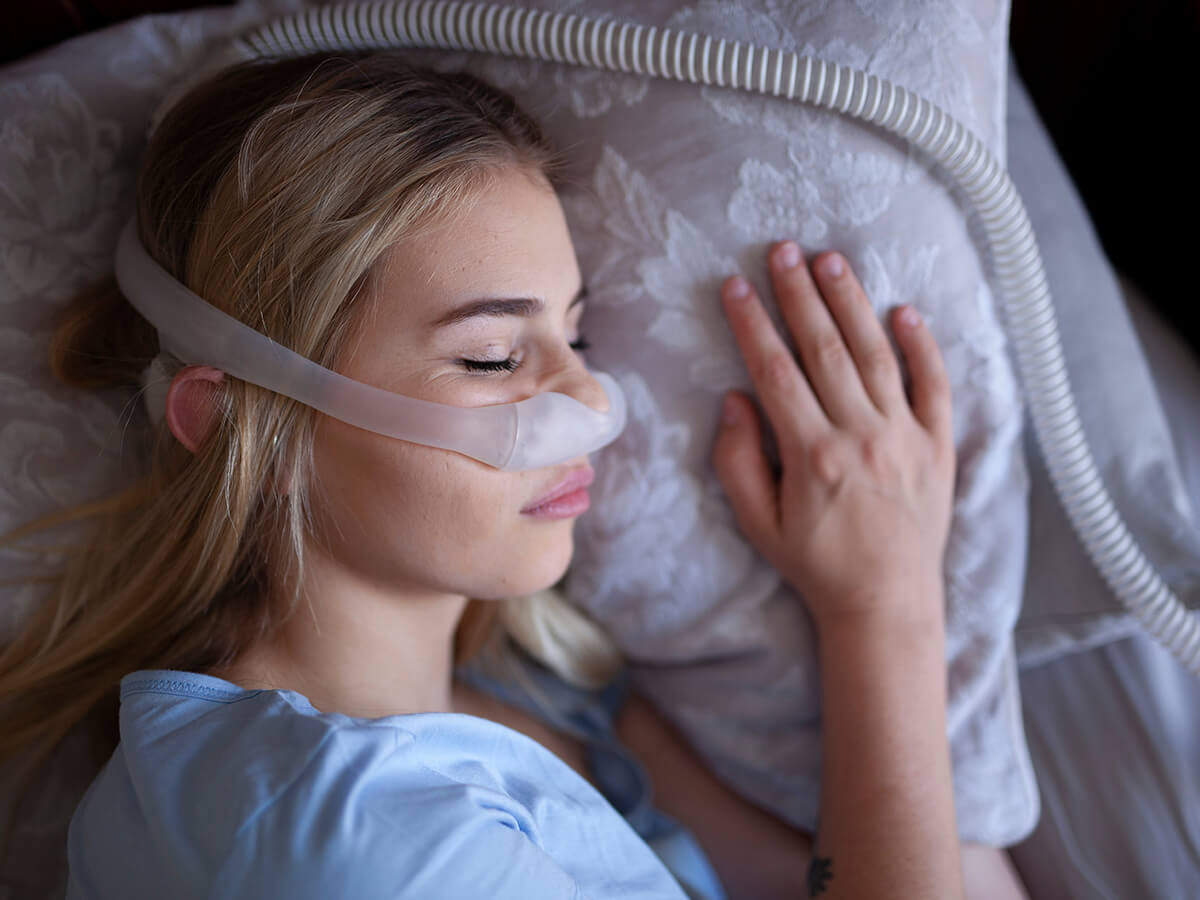
A restorative night’s sleep is a cornerstone of good health, yet for millions of individuals, it remains elusive. Waking up feeling just as tired as when you went to bed, struggling with daytime fatigue, and dealing with complaints about loud snoring can be more than just a minor inconvenience; they can be signs of an underlying medical condition.
One of the most common culprits is obstructive sleep apnea (OSA), a disorder characterized by repeated interruptions in breathing during sleep. For many years, diagnosing this condition required an overnight stay in a specialized sleep laboratory.
Today, a more convenient and accessible option is available. This guide provides an overview of the home sleep apnea test in Canada, an effective tool used to help diagnose this common sleep disorder from the comfort of your own bed.
What Exactly is a Home Sleep Apnea Test in Canada?
A home sleep apnea test in Canada, often referred to as an HSAT or a Level 3 sleep study, is a simplified diagnostic tool designed to be used by a patient in their own home.
Unlike a traditional in-lab polysomnography (PSG), which involves numerous sensors monitored by a technician in a specialized facility, the HSAT uses a more streamlined set of sensors to record key biological parameters related to breathing during sleep. It is a non-invasive, user-friendly method for gathering the preliminary data needed to screen for obstructive sleep apnea.
The equipment is compact and designed for self-application. A typical HSAT device will measure several key metrics:
- Respiratory Effort: Small belts worn around the chest or abdomen measure the physical effort of breathing.
- Airflow: A thin plastic tube with two small prongs, called a nasal cannula, is placed just inside the nostrils to monitor the flow of air as you breathe in and out.
- Blood Oxygen Saturation (SpO2): A small clip, known as a pulse oximeter, is placed on a fingertip to measure the oxygen levels in your blood throughout the night. Dips in oxygen are a key indicator of apnea events.
- Heart Rate: The same finger probe also tracks your pulse, as breathing interruptions can cause fluctuations in heart rate.
Who is a Suitable Candidate for a Home Sleep Apnea Test?
While the convenience of a home test is appealing, it isn’t the right choice for everyone. A healthcare provider will conduct a thorough evaluation to determine if an HSAT is the most appropriate diagnostic path.
Generally, the ideal candidate for a home test is an adult who has signs and symptoms that strongly suggest moderate to severe obstructive sleep apnea, without other significant complicating medical conditions.
Common signs and symptoms include:
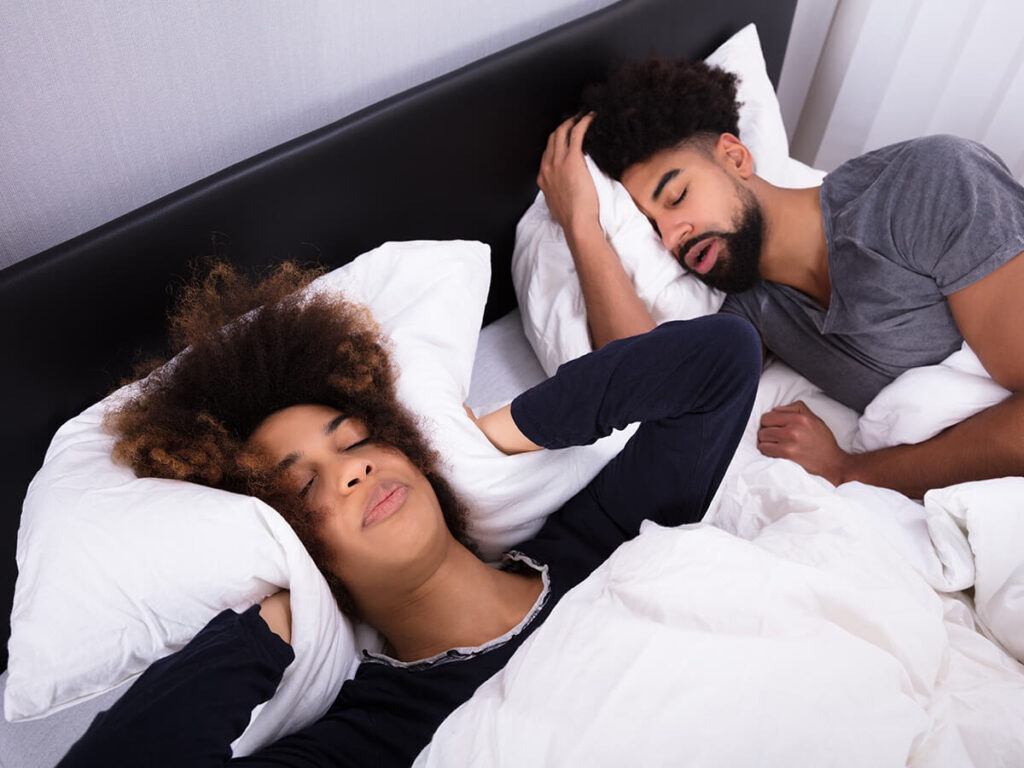
- Loud, persistent snoring
- Witnessed episodes of breathing pauses or gasping during sleep
- Excessive daytime sleepiness or fatigue
- Morning headaches
- Difficulty with concentration or memory
- Waking up with a dry mouth or sore throat
A more comprehensive in-lab sleep study is often recommended for individuals with certain medical histories or symptoms that suggest a more complex sleep disorder.
This study includes patients with significant cardiorespiratory diseases like congestive heart failure or chronic obstructive pulmonary disease (COPD), certain neuromuscular disorders, or those who are suspected of having other sleep issues such as central sleep apnea, parasomnias (e.g., sleepwalking), or a seizure disorder.
An in-lab study is also the standard for children suspected of having sleep-disordered breathing.
The Process: What to Expect in Three Simple Steps
Undergoing a home sleep apnea test is a straightforward process. After a consultation with your healthcare provider confirms that you are a suitable candidate, the steps are typically as follows:
- Receive and Understand Your Test Kit. You will be given a kit that contains the small recording device, all necessary sensors, batteries, and detailed instructions. This may be picked up from the clinic or mailed to your home. To ensure you are comfortable with the setup, clinic staff will often provide a demonstration.
- Perform the Test at Home. On the night of the study, just before bed, you will attach the sensors as instructed. This involves placing a cannula in your nostrils, strapping effort belts around your chest and abdomen, and putting an oximeter probe on your finger. Once connected, you turn the device on and sleep as you normally would. The device is designed to be small and unobtrusive to allow for a typical night’s rest in your own bed.
- Return the Device for Professional Analysis. After one or two nights of recording, you will return the device to the clinic. The data is then downloaded and securely sent to a registered professional who will interpret the results. They will analyze your breathing patterns, oxygen levels, and heart rate to create a detailed report. This diagnostic step is part of a larger health assessment; for example, a physician will also consider risk factors like body weight and may discuss comprehensive management plans, which could include referrals to weight loss clinics.
Understanding Your Results and Next Steps
The results of your home sleep apnea test are summarized in a report that will be reviewed with you by your healthcare provider. The most important metric in this report is the Apnea-Hypopnea Index, or AHI. The AHI represents the average number of apnea and hypopnea events you experience per hour of sleep.
The AHI score is generally used to classify the severity of OSA:
- Normal: An AHI score below 5 is considered normal, indicating no clinically significant sleep apnea.
- Mild OSA: A result of 5 to 14 breathing events per hour is classified as mild obstructive sleep apnea.
- Moderate OSA: A patient is considered to have moderate obstructive sleep apnea if they experience between 15 and 29 breathing events per hour.
- Severe OSA: An AHI score of 30 or more breathing events per hour is indicative of severe obstructive sleep apnea.
It is crucial to understand that these numbers are just one piece of the puzzle. A formal diagnosis is made by a physician who considers the AHI score in the context of your specific symptoms and overall health. For instance, a person with an AHI of 7 who experiences severe daytime sleepiness may require treatment, while another with the same score and no symptoms may not.
Your healthcare provider will discuss the results with you. If obstructive sleep apnea is diagnosed, you’ll review treatment options like CPAP therapy, oral appliances, or lifestyle modifications. If the results are negative or inconclusive, a repeat test or a more detailed in-lab study may be recommended.
A comprehensive approach is vital, as sleep apnea is often linked to other health concerns requiring diligent management, such as the need for nursing foot care in patients with diabetes.
Taking the First Step Towards Better Sleep
Untreated sleep apnea is a serious medical condition linked to chronic health issues like heart disease and stroke. Recognizing the symptoms and seeking a diagnosis is the first step to improving your quality of life.
The home sleep apnea test in Canada makes this crucial diagnostic step more convenient and accessible, empowering you to get answers from home. This clear path to diagnosis leads to treatments that can restore restful sleep and protect your long-term health.
If you are experiencing symptoms of sleep apnea and would like to learn more about the evaluation and diagnostic process, we encourage you to speak with a healthcare provider. For more information, you can contact the team at HOW Clinics at (519) 340-2744.
