
While no supplement can replace the foundational elements of diet, exercise, and medical supervision, certain scientifically backed supplements can play a supportive role in your journey. When utilized within comprehensive medical weight-loss programs, specific vitamins, minerals, and macronutrient derivatives can help address deficiencies, regulate appetite, and preserve lean muscle mass.
In this article, we will explore five supplements that have clinical evidence supporting their use in weight management, as well as three popular fads that you are better off leaving on the shelf.
The Role of Supplements in a Medical Weight Loss Framework
Before diving into the list, it is crucial to understand the context in which supplements actually work. A supplement is exactly what its name implies: a supplementary addition to a broader, foundational protocol. If your diet consists of highly processed foods and you live a completely sedentary lifestyle, no vitamin or protein powder will induce weight loss.
Effective weight management often requires a multi-pronged approach. Depending on a patient’s specific metabolic profile, healthcare providers might recommend different types of weight-loss medications alongside a structured dietary plan. In these clinical settings, supplements are utilized to bridge nutritional gaps, alleviate medication side effects (such as mild nausea or muscle loss), and enhance overall metabolic health.
Optimizing nutrition for healthy weight reduction is paramount, and the right supplements act as tools to help you meet those nutritional goals.
Here are five supplements that actually support a medical weight-loss journey.
5 Supplements That Support Medical Weight Loss
1. High-Quality Protein Powder (Whey or Plant-Based)
Protein is the undisputed king of macronutrients when it comes to weight loss and body composition. Consuming adequate protein helps preserve lean muscle mass while you are in a caloric deficit. This is critical because muscle tissue is metabolically active; the more muscle you have, the more calories your body burns at rest. Furthermore, protein has something called a thermic effect. This just means your body burns more calories digesting it compared to fats or carbohydrates.
This significantly increases satiety hormones like GLP-1 and cholecystokinin. A high-quality whey isolate or a complete plant-based protein powder (like pea and rice protein blends) can make hitting your daily protein targets convenient and delicious.
2. Soluble Fibre (Glucomannan or Psyllium Husk)
Most adults do not consume enough dietary fibre. Soluble fibre supplements, particularly glucomannan (extracted from the root of the konjac plant) and psyllium husk, absorb water in the digestive tract, forming a viscous gel. This process slows down gastric emptying, keeping you feeling fuller for significantly longer periods.
Additionally, soluble fibre helps blunt blood sugar spikes after meals, preventing the sudden insulin crashes that often trigger intense sugar cravings. By improving gut motility and promoting early satiety, fibre supplements are an incredibly practical tool for managing portion sizes and controlling caloric intake.
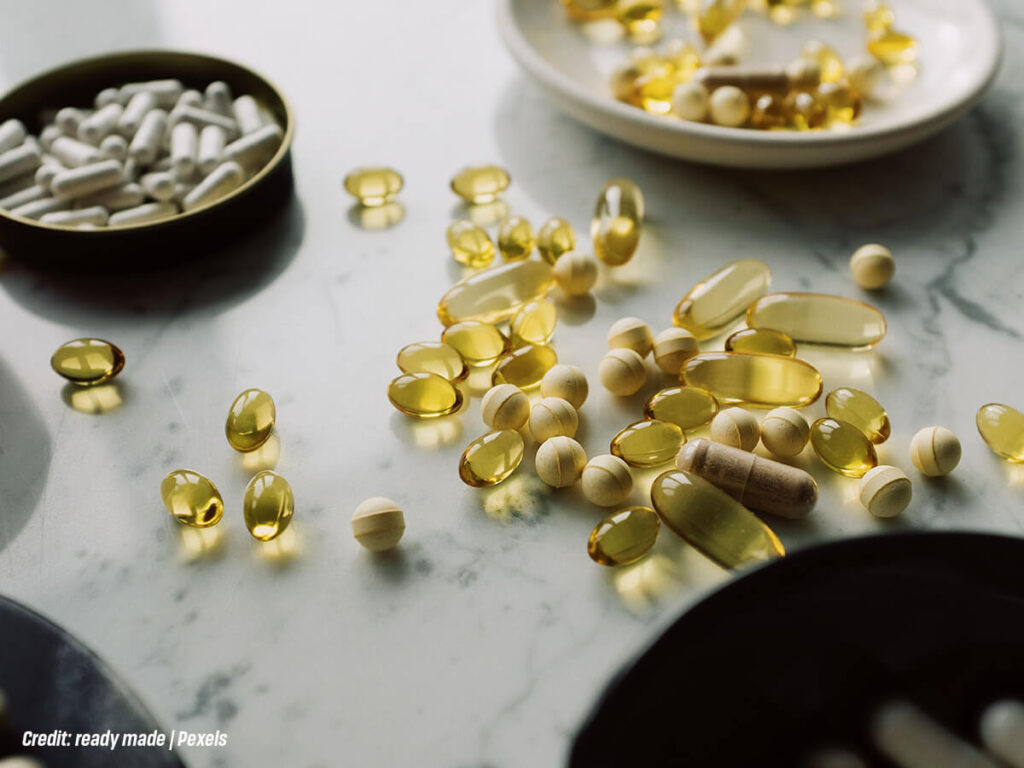
3. Omega-3 Fatty Acids (Fish Oil or Algal Oil)
Obesity is frequently associated with a state of chronic, low-grade inflammation, which can exacerbate insulin resistance and make weight loss progressively more difficult. Omega-3 fatty acids, rich in EPA and DHA, are potent anti-inflammatory agents. While taking an Omega-3 supplement will not directly “melt” body fat, it helps optimize cellular function and improve insulin sensitivity.
Better insulin sensitivity means your body is more efficient at utilizing carbohydrates for energy rather than storing them as fat. Additionally, Omega-3s support cardiovascular health, which is a vital consideration for individuals carrying excess weight.
4. Vitamin D3
Vitamin D deficiency is remarkably common worldwide, and it is especially prevalent among individuals with higher body mass indexes (BMIs). Because Vitamin D is a fat-soluble vitamin, it can become sequestered in adipose (fat) tissue, lowering its availability in the bloodstream. Low levels of Vitamin D are linked to increased fat storage, fatigue, and poor mood (which can lead to emotional eating). Supplementing with Vitamin D3—ideally alongside Vitamin K2 for proper calcium absorption—can help restore adequate serum levels, support hormonal balance, and improve your overall energy levels, making it easier to stick to an active lifestyle.
5. Probiotics
Emerging research over the last decade has illuminated the profound impact of the gut microbiome on body weight and metabolism. The digestive tracts of lean individuals typically host a different diversity of bacterial strains compared to those of individuals with obesity. Certain probiotic strains, particularly those from the Lactobacillus and Bifidobacterium families, may help influence how much dietary fat your body absorbs and how it regulates appetite hormones.
While probiotics are not a standalone cure for weight issues, supporting a healthy gut microbiome can reduce bloating, improve digestion, and subtly optimize your body’s metabolic responses to food.
3 Supplements That Don’t Work (Save Your Money!)
The supplement aisle is littered with products boasting exaggerated claims. Here are three supplements that have failed to live up to the hype in rigorous clinical trials.
1. Raspberry Ketones
Raspberry ketones became a massive craze after being featured on popular daytime television talk shows, touted as a “miracle fat burner in a bottle.” The premise was that they could increase the breakdown of fat cells and boost adiponectin, a hormone related to metabolism. However, nearly all the studies showing these effects were conducted on isolated fat cells in test tubes or on mice given massive, unnaturally high doses. In human trials, raspberry ketones have shown absolutely no significant effect on weight loss.
2. Garcinia Cambogia Extract
Garcinia Cambogia is a small, pumpkin-shaped fruit that contains hydroxycitric acid (HCA). Proponents claim that HCA blocks an enzyme your body uses to make fat and suppresses appetite. Despite the massive marketing campaigns behind it, comprehensive reviews of multiple human trials have concluded that Garcinia Cambogia produces little to no weight loss.
Furthermore, there have been documented cases of liver toxicity associated with high doses of this extract, making it not just ineffective but potentially dangerous.
3. Detox Teas and Laxative Blends
Marketed heavily by influencers on social media, “teatoxes” and detox teas claim to cleanse your system and flatten your stomach overnight. The reality is much darker. These products almost universally rely on senna or other natural laxatives. While you may see a drop on the scale after consuming them, you are entirely losing water weight and intestinal bulk, not body fat.
Chronic use of these laxative teas can lead to severe dehydration, dangerous electrolyte imbalances, and long-term damage to your natural bowel function. Your liver and kidneys are already expert detoxifiers; they do not need an aggressive laxative tea to do their jobs.

When to Partner with the Professionals
When it comes to modifying your body weight and improving your metabolic health, consistency and science-backed strategies will always triumph over quick fixes. Supplements like high-quality protein, soluble fibre, Omega-3s, Vitamin D, and probiotics can provide excellent support to a well-rounded diet and exercise routine.
Conversely, wasting money on unproven fads like raspberry ketones or dangerous detox teas will only lead to frustration.
Because weight loss is a highly individualized medical process, the safest and most effective route is to work alongside healthcare professionals who can tailor a program to your specific biology. Medical supervision ensures that any supplements or medications you take are safe, effective, and perfectly suited to your goals.
Contact HOW Clinics at (519) 340-2744 today to schedule a consultation and discover a sustainable path to better health.
