
For decades, the standard advice for shedding extra pounds has been stubbornly simplistic: eat less and move more. This “calories in, calories out” equation has been touted as the ultimate, foolproof formula for weight management. Yet, if achieving and maintaining a healthy weight were truly that straightforward, millions of people wouldn’t be struggling with the frustrating cycle of yo-yo dieting. The reality is that the human body is an incredibly complex system, and weight loss is rarely a simple matter of willpower.
When you find yourself putting in the effort at the gym and making careful choices in the kitchen, only to see the scale refuse to budge, it can be deeply demoralizing. However, this plateau is often not a reflection of your dedication. Instead, it is usually a sign that underlying physiological, environmental, or psychological factors are quietly working against your efforts. Understanding these hidden barriers is the first step toward breaking through them. Here are five of the most common reasons why losing weight can be so difficult, and why shifting to a comprehensive, holistic approach may be the key to lasting success.
1. Complex Hormonal Imbalances
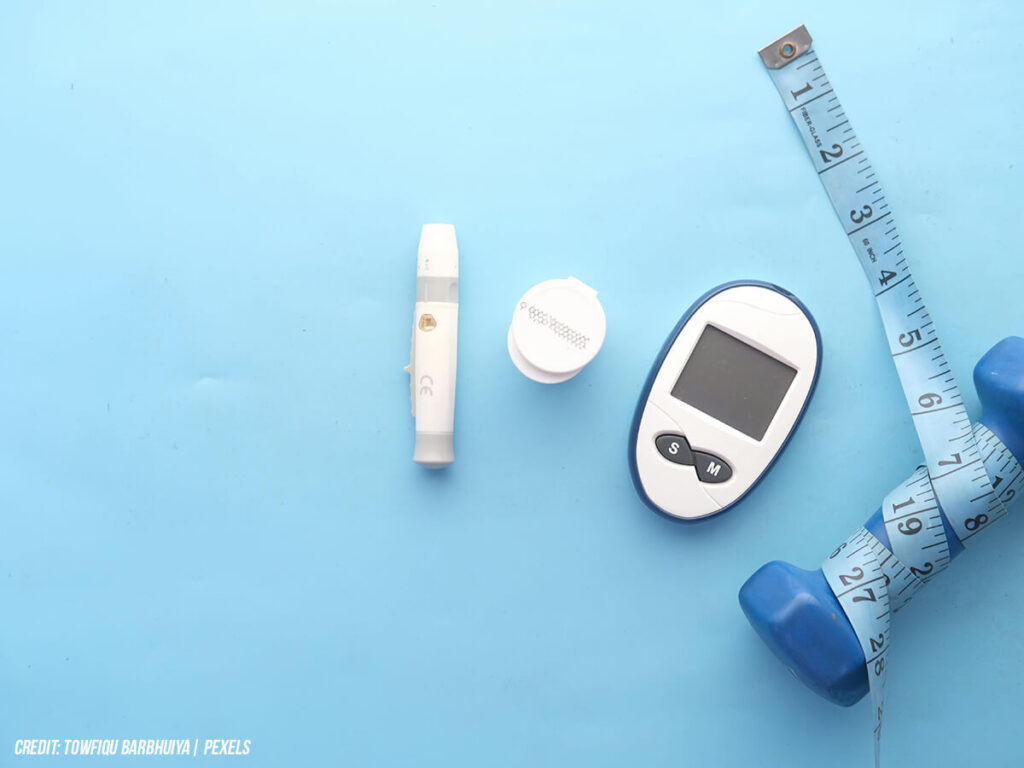
Your hormones are the chemical messengers that dictate almost every major function in your body, including your metabolism, your appetite, and where you store fat. When these hormones are out of balance, losing weight can feel like an impossible uphill battle.
Insulin, for example, is the hormone responsible for regulating blood sugar. When you consume highly processed foods or a diet high in refined carbohydrates, your body can become insulin resistant over time. This means your cells stop responding efficiently to insulin, prompting your pancreas to produce even more of it. Because insulin is a fat-storage hormone, high levels make it exceptionally difficult for your body to burn stored fat for energy.
Other hormonal culprits include the thyroid hormones, which govern your basal metabolic rate. An underactive thyroid (hypothyroidism) significantly slows down your metabolism, causing weight gain even if you are eating in a caloric deficit. Conditions like Polycystic Ovary Syndrome (PCOS), which affects a significant portion of the female population, also heavily influence metabolic function and fat distribution, requiring a highly specialized approach to treatment rather than standard dietary advice.
2. Chronic Stress and Sleep Deprivation
In our fast-paced, modern world, chronic stress is an epidemic. While your body is equipped to handle short-term stress (the “fight or flight” response), it is not designed to endure the constant, low-grade stress of daily life. When you are chronically stressed, your adrenal glands continuously pump out cortisol.
Elevated cortisol levels have a direct and devastating impact on weight loss efforts. Cortisol signals your body to replenish energy stores, which typically manifests as intense cravings for foods high in sugar and fat. Furthermore, prolonged cortisol exposure encourages the body to store fat preferentially in the abdominal region, which is the most dangerous type of visceral fat.
Closely tied to stress is sleep deprivation. When you fail to get adequate, restorative sleep, your body’s hunger hormones become severely dysregulated. The hormone that signals hunger, ghrelin, increases, while the hormone that signals fullness, leptin, decreases. This biological double-whammy means that when you are tired, you are physiologically driven to eat more, and you will feel less satisfied when you do.
3. Metabolic Adaptation and the Damage of Crash Diets
If you have a history of trying restrictive, low-calorie diets, your body may have adapted in ways that make future weight loss much harder. The human body is remarkably resilient and is biologically hardwired to survive periods of famine. When you drastically cut your caloric intake, your body perceives this as starvation.
In response, it initiates a process called metabolic adaptation. To conserve energy, your basal metabolic rate drops. Your body becomes highly efficient at running on fewer calories, meaning you stop losing weight even though you are eating very little. Furthermore, crash diets often lead to the loss of lean muscle mass alongside fat. Because muscle tissue is metabolically active and burns calories even at rest, losing muscle further depresses your metabolic rate. When you eventually return to normal eating habits, your slower metabolism is unable to handle the caloric load, leading to rapid weight regain—often leaving you heavier than when you started.
4. An Imbalanced Gut Microbiome
The trillions of bacteria living in your digestive tract, collectively known as the gut microbiome, play a surprisingly powerful role in your overall health and your weight. Emerging research continues to highlight how these microscopic organisms influence everything from how many calories you absorb from your food to how your body regulates inflammation.
A diverse and balanced gut microbiome helps metabolize food efficiently, produces essential vitamins, and supports a strong immune system. However, a diet high in processed foods, sugar, and artificial sweeteners—combined with factors like stress and frequent antibiotic use—can lead to dysbiosis, an imbalance where harmful bacteria outnumber the beneficial ones. Certain strains of gut bacteria are extremely efficient at extracting energy (calories) from the food you eat, meaning you could theoretically absorb more calories from the exact same meal as someone with a different microbial makeup. Additionally, an unhealthy gut contributes to systemic inflammation, which is a known driver of insulin resistance and obesity.
5. Psychological and Behavioural Barriers
Weight loss is as much a mental and emotional journey as it is a physical one. Unresolved emotional trauma, chronic anxiety, and depression can all manifest in our relationship with food. Emotional eating—using food to soothe, comfort, or distract from negative feelings—is a deeply ingrained coping mechanism for many people.
Furthermore, the “all-or-nothing” mindset prevalent in diet culture sets individuals up for failure. Viewing foods as strictly “good” or “bad” creates a cycle of restriction and bingeing. When a strict dietary rule is broken, the resulting guilt often leads to completely abandoning the effort. True, sustainable weight loss requires dismantling these unhelpful thought patterns, establishing new habits, and cultivating a positive, forgiving relationship with food and your own body.

How a Holistic Weight Loss Program Can Help
Because the barriers to weight loss are so multifaceted, a one-size-fits-all diet plan is rarely effective in the long term. Rather than just focusing on the number on the scale, a holistic approach changes the paradigm by looking at the complete picture of your health. Here is what a comprehensive program offers:
- Diagnostic Testing: Uncovers and addresses underlying medical root causes like thyroid dysfunction, insulin resistance, or nutritional deficiencies.
- Customized Strategies: Medical professionals and wellness coaches collaborate to build tailored plans encompassing nutrition, mindful movement, stress reduction, and sleep optimization.
- Personalized Support: When seeking comprehensive weight management at a Guelph clinic, a dedicated team ensures the approach aligns perfectly with your unique physiology and lifestyle.
- Behavioral Therapy: Provides the professional accountability needed to break old, unhelpful habits and build sustainable, healthy new ones.
- Whole-Body Focus: Whether you are looking for local, hands-on help or comparing the best weight loss programs Hamilton and the surrounding regions have to offer, a medically supervised approach treats the whole person to ensure lasting success and vibrant health.
Address the Root Causes of Your Weight Loss Struggles
Our team is here to support your journey to optimal health. We provide personalized, medically supervised plans designed to balance your hormones, improve your metabolic health, and help you build sustainable lifestyle habits. Contact Health Optimization & Wellness (HOW CLINICS) today to schedule your consultation.
You can visit us in person at 812 Woolwich Street, Guelph, Ontario N1H 6J2, Canada, or call us at 519 340 2744 to take the first step toward a healthier, more vibrant you.
